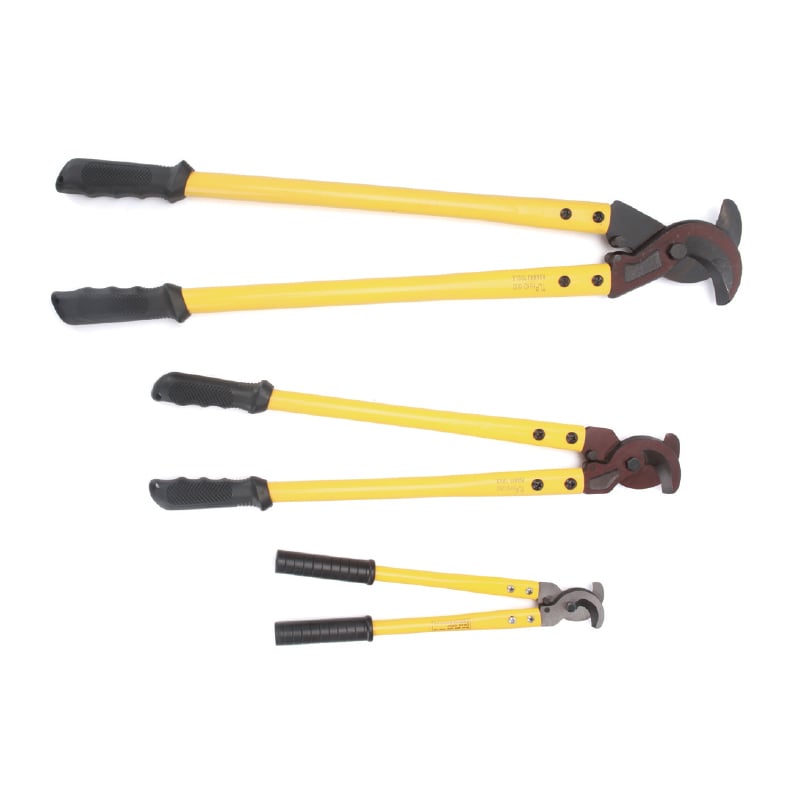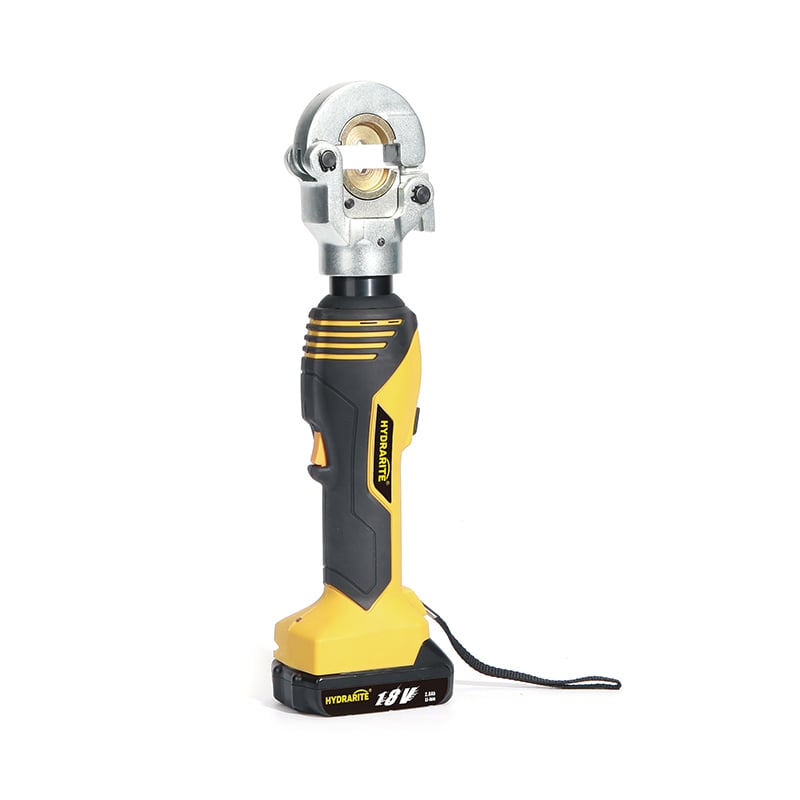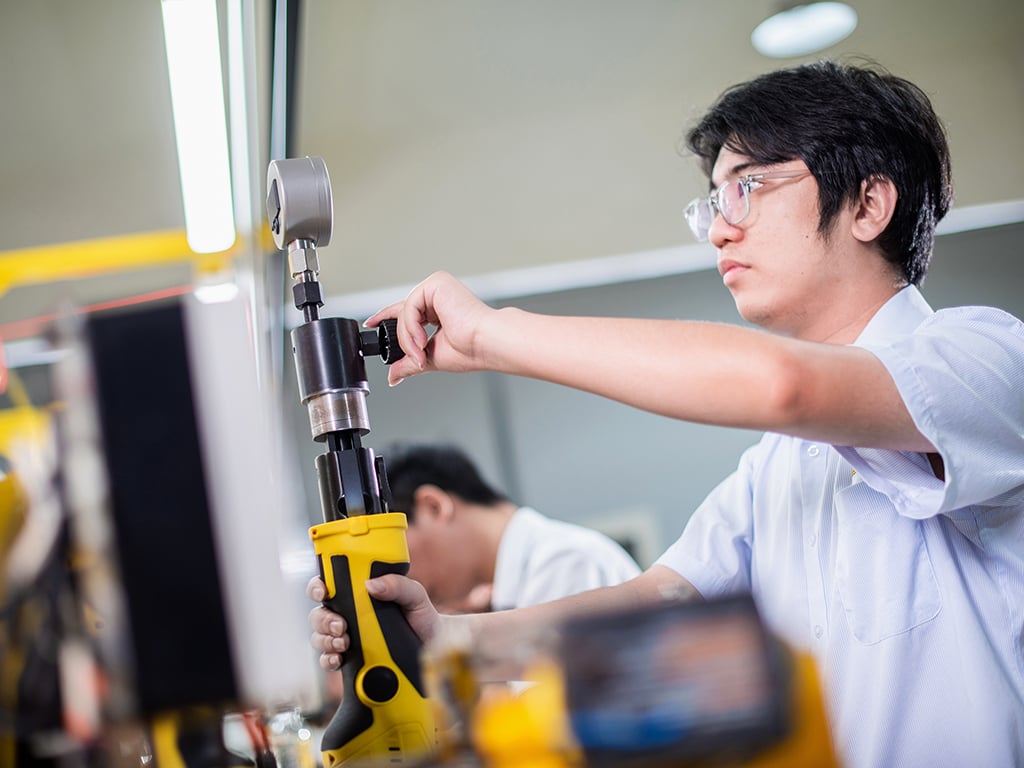
Where the pressing tools actually work on materials is basically where most serious mechanical dangers happen. The risk of getting crushed or losing body parts jumps dramatically whenever operators put their hands into this area while loading or unloading parts, particularly around dies, rams, and other moving pieces. These dangerous spots appear wherever machine components come together, creating pinch points strong enough to trap limbs with force over 10 tons in hydraulic systems. According to various safety reports from industry experts, these kinds of accidents are responsible for nearly half (about 49%) of all amputations related to presses in manufacturing settings.
When it comes to workplace safety, engineering controls like fixed barriers, those fancy light curtains, and two-hand control systems stand out as the best initial protection measures. Fixed guards simply block access completely. Light curtains work fast too stopping machines almost instantly if someone gets too close. And then there are those two-hand controls which force workers to keep their hands in safe positions since both buttons need to be pressed at once for long enough. But don't forget about training staff properly to spot hazards. Lockout tagout procedures must be followed religiously whenever tools get changed or maintenance needs doing. These basic safety practices save lives every day on factory floors across the country.
Hydraulic pressing tools introduce distinct, high-consequence hazards beyond mechanical trauma. Pinhole leaks in high-pressure lines (often exceeding 2,000 PSI) can inject hydraulic fluid deep into soft tissue—a deceptively minor-looking injury that frequently requires emergency surgical debridement and carries high risk of amputation if untreated within hours.
When hydraulics fail catastrophically, they create two main dangers. First, when pressure drops suddenly, rams can fall right on top of whatever is underneath them, sometimes crushing equipment or worse. Second, broken hoses tend to lash out violently, creating serious cuts or even blunt force injuries. According to what manufacturers report, about six out of ten of these failures actually come down to old, worn out seals or connections that weren't tightened properly during installation. To avoid these problems, regular maintenance checks are absolutely necessary. Pressure relief valves help too, along with emergency stops that can shut things down pretty quickly once something goes wrong. These safety measures aren't just recommendations but real life savers in industrial settings where accidents happen fast.
OSHA’s 29 CFR 1910.217 establishes physical guarding as the primary engineering control for pressing tools. Guards must comply with the OUTA principle—preventing access over, under, through, or around the point of operation—with openings limited to a maximum of ¼ inch, per ANSI B11.1 standards.
Fixed guards provide constant protection and work best for those day-to-day tasks that don't change much from one shift to the next. The interlocked type connects right into the machine's control system so it stops moving whenever someone opens or breaks through the guard. Newer models have spring free designs that make them harder to mess around with. Then there are adjustable guards which let workers switch dies but they need to double check where everything is positioned properly at the start of every shift. All these different safety measures help prevent serious injuries like crushed fingers or lost limbs right where accidents tend to happen most often. And this matters because according to research by Ponemon Institute back in 2023, a single workplace injury can cost companies an average of $740,000.
Physical guards just don't work when parts get handled constantly throughout production runs. That's where presence sensing tech comes into play. Think infrared light curtains or laser scanners setting up invisible safety zones around machinery. These systems stop machine cycles instantly if someone gets too close. For jobs where operators need to interact directly with equipment, there are those two handed controls everyone talks about. They're OSHA approved for good reason. Both buttons have to be pressed at once within half a second window and kept pressed all the way through whatever dangerous movement happens next. Most shops find this requirement actually improves worker awareness and reduces accidents over time.
Safety distances for these systems are calculated using verified press stopping times—not estimates—and newer models include integrated monitors that automate validation, eliminating manual measurement errors. Per ANSI B11.1-2009, all electronic safeguards require daily functional testing, and LOTO procedures must be strictly followed during servicing.
Under OSHA regulations, companies must supply appropriate personal protective equipment free of charge to employees who work with pressing tools. The basics? Workers need those ANSI certified gloves that resist cuts when dealing with sharp materials, plus safety glasses rated for impact protection (look for the Z87.1+ standard) to keep debris from flying into eyes. When machines get loud enough to surpass 85 decibels, noise cancelling earmuffs become necessary too. Getting the right fit matters a lot here folks. Gear that doesn't fit properly can actually raise chances of getting hurt by around 60 percent, as recent safety checks from last year showed. So don't skimp on fitting sessions just because something looks okay at first glance.
Hazard assessment drives selection—die-casting operations demand thermal-resistant gloves, while hydraulic system maintenance calls for chemical-resistant materials. Face shields are mandatory during jam-clearing or die-change activities, and hearing protection must be selected based on real-time noise mapping—not assumed thresholds.
Material handling near pressing tools demands disciplined, standardized protocols. Two-person verification during loading sequences reduces human error, while floor markings, light-based zone indicators, and audible warnings reinforce spatial awareness around danger zones.
LOTO compliance is non-negotiable during maintenance: 70% of amputation incidents occur during jam-clearing attempts, most involving inadvertent energy reapplication. Integrate PPE verification directly into LOTO steps—workers must don cut-resistant gloves and face shields before applying isolation tags—to ensure continuous protection across the entire energy control process.
Getting proper certification for operators is really important when it comes to keeping pressing tools safe. The training program needs to cover all the basics including how the equipment works, spotting potential hazards, knowing what to do in emergencies, plus plenty of actual practice time. All this should come from experienced instructors who follow both ANSI B11.0 standards and OSHA regulations. Most certifications need to be renewed about every three years. But there's also another catch: if something goes wrong or big changes happen to the equipment itself, then operators must get recertified right away. This isn't just paperwork stuff either. Keeping up with these requirements helps ensure everyone stays compliant with regulations while also being ready to handle whatever might come up during regular operations.
Daily pre-use inspections are mandatory: operators must verify brake responsiveness, check for hydraulic or air leaks, inspect guards for damage or misalignment, and confirm emergency stops function properly. These checks prevent minor faults—like a worn seal or delayed brake engagement—from escalating into catastrophic failures.
Continuous safety training reinforces vigilance, integrates updates from evolving standards (e.g., ANSI B11.1-2024), and introduces new technologies like smart sensors or predictive maintenance tools. When embedded in safety culture—not treated as a checkbox—it measurably reduces incident rates in high-risk industrial environments.
The main hazards include crushing, amputation, pinch point injuries, fluid injection injuries, and hydraulic system failures.
Accidents can be prevented with engineering controls like fixed guards, light curtains, and two-hand control systems, as well as proper operator training and strict adherence to safety protocols.
PPE such as cut-resistant gloves, impact glasses, and hearing protection are crucial in preventing injuries from sharp materials, flying debris, and high noise levels.
Operator certification ensures that individuals are trained to handle equipment properly, recognize hazards, and respond to emergencies, maintaining safe practices in industrial environments.
 Hot News
2026-01-29
2025-12-29
2025-11-27
2025-10-29
2025-09-10
2025-08-13

Hydrarite offers advanced waterproofing and concrete protection solutions for construction. Discover our durable, reliable chemical products for your projects.
Copyright © 2025 by Taizhou Ruiqi Tools Co.,Ltd. Privacy Policy
 EN
EN