Consistent maintenance prevents premature wear by addressing friction and system stress before they lead to failure. Following industry-standard maintenance guidelines reduces hydraulic failures by up to 65%, significantly extending equipment lifespan. Key practices include:
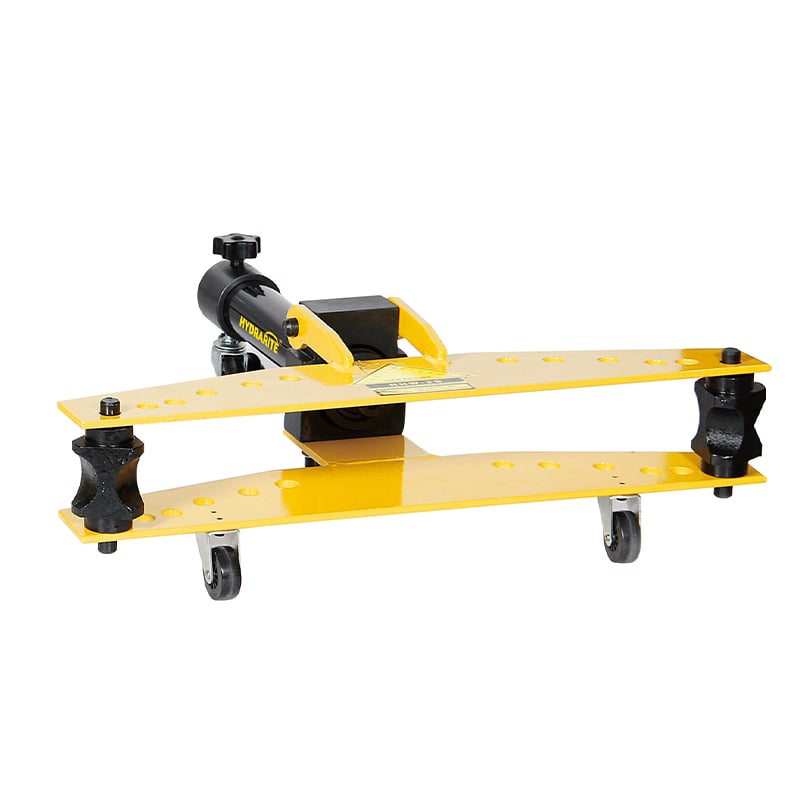
These actions ensure bending forces remain evenly distributed, protecting critical components like guide rails and clamping jaws from costly misalignment.
Neglected pipe benders develop compounding performance issues. Operators commonly face:
Facilities that skip scheduled maintenance spend 40% more annually on replacement parts than those practicing proactive upkeep. Prioritizing maintenance preserves production schedules and ensures compliance with ASME safety standards for industrial bending equipment.
Keeping an eye on oil levels and filter condition helps maintain efficient operation of hydraulic systems. Industry data indicates around 7 out of 10 hydraulic system breakdowns happen because of dirty fluid or blocked filters. Daily visual inspections through sight gauges are a must, along with checking all hoses and seals for signs of leakage or damage. Most maintenance experts recommend changing filters approximately every 500 hours of operation, which can cut down on wear caused by particles in the system by roughly 40%. Don't forget to check those breather caps and reservoir seals regularly too since they stop dust and other airborne stuff from getting into the oil and causing premature degradation.
Water infiltration accelerates corrosion and destabilizes pressure. Drain sediment traps weekly and use dehydration filters to keep moisture below 0.1%. In fluctuating temperatures, unprotected systems can accumulate up to 200 mL of water monthly through condensation-compromising lubrication and increasing metal-to-metal contact in pumps.
Even with filtration, hydraulic oil degrades over time due to oxidation and additive depletion. Annual oil changes prevent viscosity breakdown, while semi-annual filter replacements maintain flow rates within 5% of factory specs. Pairing oil changes with heat exchanger cleanings helps stabilize operating temperatures below 140°F (60°C), extending pump life by 30%.
Synthetic oils can definitely stretch maintenance intervals, but checking what the equipment maker says remains important before going beyond yearly service. In colder regions where machines face harsh temperature swings, most operators find themselves changing oil around 8 to 10 months mark because of all that thermal punishment. Warmer climates tend to be gentler on equipment, sometimes letting folks wait closer to 14 months between changes. Regular oil testing every quarter makes sense though, looking at things like acid levels, how thick the oil has gotten, and any dirt or water contamination. This kind of monitoring lets technicians adjust when services happen based on what the oil actually shows, not just sticking rigidly to calendar dates.
Regular lubrication of pivots, gears, and hydraulic cylinders reduces metal-to-metal contact by 80%. Apply ISO VG 68 hydraulic oil or lithium-based grease according to manufacturer specifications, focusing on high-stress areas like bending and pressure dies. Both over- and under-lubrication harm performance-optimal practices extend component life by 40%.
Automated systems need monthly inspections of nozzles, hoses, and pumps to ensure consistent delivery. Clogged filters or kinked lines disrupt grease distribution and contribute to 25% of bending accuracy errors. Facilities using IoT-enabled monitors report 20% longer service intervals while sustaining peak performance.
After each shift, wipe exposed rails and joints with lint-free cloths to remove metal shavings before reapplying lubricant. In cold environments, use low-temperature greases that remain effective below -10°C. Align lubrication tasks with tooling changes to integrate them seamlessly into production cycles and avoid unplanned downtime.
Weekly inspections of hydraulic rams, bending dies, and alignment guides prevent 73% of unplanned breakdowns. Focus on:
Operators using digital calipers and laser alignment tools detect misalignment 40% faster than manual methods.
Maintain ±0.5° angular precision by calibrating after every 500 cycles or major material changes. Quarterly calibration reduces rework rates by 52% in stainless steel applications. Use the following parameters and tools:
| Parameter | Tolerance Threshold | Calibration Tool |
|---|---|---|
| Bend angle | ±1° deviation | Digital protractor |
| Clamp pressure | ±50 PSI variance | Hydraulic gauge |
| Feed speed consistency | ±5% RPM fluctuation | Laser tachometer |
Schedule 30-minute weekly checks during shift changes to catch emerging issues early-this approach addresses 89% of potential failures. Cloud-based predictive systems analyze historical wear data to optimize part replacements, cutting maintenance duration by 34% compared to fixed schedules.
Regular cleaning stops dirt from piling up and keeps moisture at bay. After each day's work, grab some lint-free rags and give those hydraulic cylinders, dies, and frame joints a good wipe down. Pay special attention to the tight spots where metal shavings tend to gather over time. For shops near the coast or in damp climates, slapping on some industrial strength protective coating makes all the difference. We've seen these coatings cut oxidation problems by about half in places with salty air hanging around. And speaking of water, skip the pressure washer altogether. That powerful spray might seem convenient, but it'll wreak havoc on electrical components and strip away precious lubricants that keep everything running smoothly.
When machines sit idle for more than 30 days, it's important to protect them properly. Apply NSF approved corrosion inhibitors to all metal parts and keep them in storage areas where humidity stays between 40 and 50 percent. Don't forget to release any built up hydraulic pressure first, then wrap those bending arms tightly in vapor barrier film so moisture doesn't form inside. These simple precautions actually make a big difference when we consider how much money industries lose each year to preventable corrosion issues totaling around $740 billion dollars worldwide. About 43% of that massive figure comes specifically from bad storage practices alone. And remember to move those stored units around every three months or so. Regular rotation prevents tire flats and keeps seals working properly without getting compressed out of shape over time.
Hydraulic oil should be changed annually, but regular testing and inspection can help adjust this interval based on operating conditions and manufacturer recommendations.
Neglecting maintenance can lead to unplanned downtime, safety risks, and precision issues such as ovalized pipes and system inefficiencies.
Proper lubrication reduces metal-to-metal contact, minimizing friction and wear, and ultimately extending the life of pipe bending components by up to 40%.
 Hot News
2026-01-29
2025-12-29
2025-11-27
2025-10-29
2025-09-10
2025-08-13

Hydrarite offers advanced waterproofing and concrete protection solutions for construction. Discover our durable, reliable chemical products for your projects.
Copyright © 2025 by Taizhou Ruiqi Tools Co.,Ltd. Privacy Policy
 EN
EN