
 EN
EN
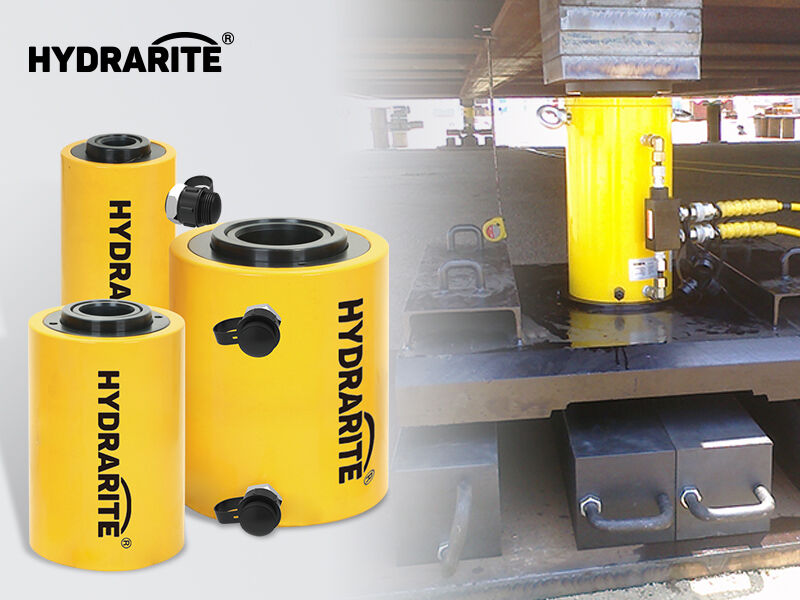
Visual Inspection: First-Line Detection of External Leaks in Hydraulic Cylinders
Looking for Fluid Traces on Rods, Seals, Fittings, and Mounting Surfaces The easiest way to spot external leaks in hydraulic cylinders is simply by looking at them carefully. When checking rods, watch out for those telltale wet streaks or oily marks along where they move back and forth. That's usually a sign something's wrong with the rod seals. Take a good look at gland nuts and fittings too. Fresh fluid tends to collect there, leaving behind shiny, sticky trails, while older leaks leave darker stains that can be easy to miss. Don't forget about mounting surfaces either. These often hide problems nobody expects. Oil tends to creep out around bolt holes and flanges if things aren't sealed properly. According to what many technicians have seen in the field, catching these issues early can stop about half of all hydraulic system breakdowns and cut down on fluid usage by roughly 30%. Pay special attention to certain spots where most small leaks start forming. Threads on fittings, weld joints, and places that get shaken constantly or subjected to intense heat are prime suspects for developing trouble spots over time.
Recognizing Seal Degradation Signs—Cracking, Swelling, and Oil Seepage
Seal degradation manifests in three telltale visual cues that require immediate attention:
- Surface Crazing: Fine cracks radiating across seal surfaces, typically caused by ozone exposure or incompatible fluids
- Swollen Geometry: Visible distortion from chemical incompatibility—fluid permeation expands elastomers beyond their housing
- Persistent Beading: Oil droplets clinging to stationary seals despite wiping, indicating imminent extrusion failure
Microscopic seepage often appears as dirt-collecting tackiness around seals before advancing to drips. Proactively inspect seals after temperature spikes or fluid changes—accelerated degradation cycles can shorten seal life by 70% in contaminated systems. Always combine inspections with system cleaning; residual grime masks early-stage leak symptoms.
Functional Testing: Pressure Hold and Cylinder Drift Tests for Internal Leakage in Hydraulic Cylinders
Standardized Pressure Holding Procedure and Pass/Fail Thresholds
Finding internal leaks usually requires doing a pressure hold test. Start by either fully extending or retracting the cylinder first. Next, put pressure on the cap end at around 1.5 times whatever pressure the system normally operates at. Take a 2,000 PSI system for instance, that would mean applying about 3,000 PSI during testing. Keep this pressure going for five whole minutes while keeping an eye on the pressure gauge readings. Most industry folks look at anything over a 5% drop in pressure during those five minutes as a sign something is wrong, typically pointing to worn-out piston seals or maybe damage to the cylinder barrel itself. Now when we're talking about really important stuff like aerospace components or big industrial equipment, some makers actually set their standards even higher, sometimes looking for no more than a 2% pressure loss. And remember, it's always best practice to check what the original equipment manufacturer says about acceptable limits for specific parts being tested.
Cylinder Drift Test Protocol for Double-Acting Hydraulic Cylinders Under Load
For double-acting hydraulic cylinders, perform a drift test under operational load:
- Lift the rated load to mid-stroke position
- Shut off hydraulic supply lines
- Measure rod displacement over 15 minutes using laser alignment tools or dial indicators
Acceptable drift varies by cylinder size and application:
| Cylinder Bore Diameter | Max Allowable Drift (15 mins) |
|---|---|
| <100 mm | ±2 mm |
| 100–200 mm | ±5 mm |
| >200 mm | ±10 mm |
Exceeding these thresholds suggests internal bypassing through piston seals or valve leakage. For cylinders supporting suspended loads, immediate inspection is critical to prevent uncontrolled movement.
Advanced Leak Detection Methods for Challenging or Early-Stage Failures in Hydraulic Cylinders
When conventional methods fail to identify elusive leaks, advanced techniques provide critical solutions. Unlike visual inspections or pressure tests, these approaches target microscopic failures before they escalate into operational disasters.
Ultrasonic Detection for Subtle External and Near-Surface Leaks
Ultrasonic leak detectors work by turning those really high frequency sounds we can't hear into something our ears can pick up. When fluid under pressure finds its way out through tiny cracks or holes, it creates turbulence that shows up in the 35 to 50 kHz range. Techs move these special probes all over places where leaks commonly happen like cylinder rods, around the seals, and along weld lines. They can actually catch problems as small as 0.001 gallons per minute, which is way below what most standard testing methods would find. What makes this method so good is that it doesn't require taking things apart. It spots worn-out seals and broken ports about 9 out of 10 times, and there's roughly 30% fewer mistakes when compared with old school dye testing techniques.
Borescope-Assisted Bore Inspection with Synchronized Pressure Monitoring
Internal barrel defects require simultaneous pressure manipulation and visual verification. Engineers insert borescopes through cylinder ports while cycling pressure from idle to 150% operating load. Synchronized video reveals:
- Scored bore walls causing piston seal bypass
- Irregular gland grooves enabling rod seal extrusion
- Corrosion pits behind piston seals
Pressure fluctuations during this inspection highlight dynamic leak paths invisible during static tests. One heavy equipment manufacturer reduced cylinder rebuild rates by 40% after implementing this dual-phase analysis.
Preventive Best Practices to Minimize Hydraulic Cylinder Leak Risks
Proactive maintenance protocols substantially reduce hydraulic cylinder leak occurrences while extending operational lifespan. Implement these core strategies:
- Regular visual inspections identify early-stage seal degradation or fluid traces before failures escalate
- Contamination control through scheduled fluid changes and filtration prevents abrasive particle damage
- Load management avoids exceeding rated capacities that stress seals and rods
- Temperature monitoring maintains optimal operating ranges to prevent seal hardening or fluid thinning
- Precision alignment during installation eliminates uneven stress on rod seals and bearings
Operator training on leak recognition and proper handling techniques further enhances prevention effectiveness. Organizations adopting structured maintenance schedules report 40–60% fewer leakage incidents compared to reactive approaches, per the 2023 Fluid Systems Analysis report. Consistent documentation of inspections and component replacements creates actionable data for continuous improvement cycles.
FAQ
What are common signs of hydraulic cylinder leaks?
Common signs include wet streaks on rods, oil marks around fittings and gland nuts, and oil seepage around mounting surfaces.
How can ultrasonic detection help in leak detection?
Ultrasonic detectors convert high-frequency sounds from leaking fluid into audible sounds, allowing technicians to detect leaks as small as 0.001 gallons per minute.
What is a pressure hold test?
A pressure hold test involves applying pressure to a cylinder and observing for pressure drops which could indicate internal leaks.
How often should hydraulic cylinders be inspected?
Regular and proactive inspections should be conducted, especially after temperature changes or fluid exchanges, to prevent early-stage failures.
Table of Contents
- Visual Inspection: First-Line Detection of External Leaks in Hydraulic Cylinders
- Functional Testing: Pressure Hold and Cylinder Drift Tests for Internal Leakage in Hydraulic Cylinders
- Advanced Leak Detection Methods for Challenging or Early-Stage Failures in Hydraulic Cylinders
- Preventive Best Practices to Minimize Hydraulic Cylinder Leak Risks
- FAQ