
 EN
EN
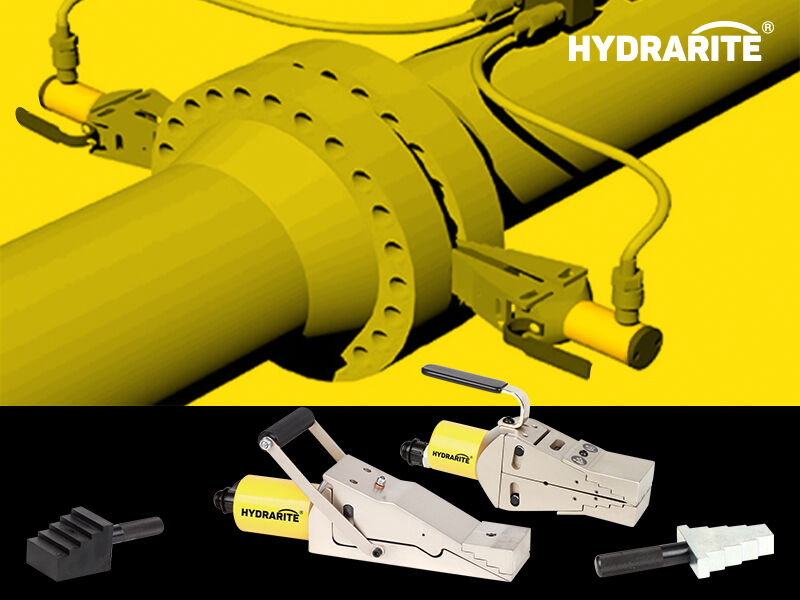
Why Proper Storage Matters for Flange Spreaders
When stored improperly, flange spreaders go from being precision instruments to expensive headaches real quick. Let them sit in humid conditions, dusty environments, or extreme temperatures and watch those hydraulic seals break down, see high tension steel parts start to rust, and notice how their mechanical accuracy just fades away over time. The numbers tell a pretty grim story too industrial facilities are losing around $740,000 every year because of this kind of equipment damage according to Ponemon's research back in 2023. Moisture gets into hydraulic fluids and messes with their properties, while all sorts of airborne dirt particles speed up wear on sliding parts and bearings. What happens? Operational failures when trying to separate flanges at crucial moments, dangerous situations where tools slip or snap unexpectedly, and replacement costs that sometimes hit more than half what the original tool was worth.
Proper storage of flange spreaders goes beyond regular maintenance work. When kept in good conditions, these tools stay accurate and strong enough for their intended tasks, which means they last anywhere from three to five extra years before needing replacement. Nobody wants to deal with unexpected breakdowns during critical operations, especially since faulty equipment can really slow things down and create serious safety issues down the line. Technicians who take time to follow proper storage guidelines are actually doing something important behind the scenes. These heavy duty tools need to function properly at all times because there are often people's safety and expensive infrastructure projects riding on their performance.
Step-by-Step Flange Spreader Storage Procedure
Cleaning, inspection, and damage assessment before storage
Cleaning should always come first before putting anything into storage. Get rid of those stubborn industrial residues with solvents approved by the manufacturer and gentle cloths that won't scratch surfaces. The goal here is simple but crucial: make sure absolutely nothing gets stuck in those tiny hydraulic ports or mechanical joints. Take a good look around too. Check for those barely visible hairline cracks, alignment pins that might be bent out of shape, or seals that are starting to break down. Snap some pictures digitally so we have something to compare against later when these parts need checking again. When measuring things like push rods and yoke assemblies, stick strictly to the original specs provided. If there's even half a millimeter difference, that means structural integrity has been compromised somewhere along the line. Don't forget about corrosion either. Run those dye penetrant tests on all exposed steel areas, particularly around welds and wherever weight actually lands on the equipment. According to industry research, roughly one third of all hydraulic system failures after sitting idle can be traced back to poor preparation before storage.
Depressurizing, retracting, and securing hydraulic and mechanical components
To safely depressurize the system, slowly cycle through the release valves until those pressure gauges hit zero. Don't ever try forcing those cylinders back in place. Instead, work those manual override knobs at a steady pace while making sure the load flange stays supported throughout. Once done, make sure to pull out those piston rods completely so less chrome gets exposed to the elements. Protective caps should go on every single hydraulic coupling after that. When securing those mechanical arms, find the designated holes for locking pins and insert them properly to keep everything from accidentally deploying during transport or storage. Special attention needed for screw type models: a bit of thread lubricant applied beforehand makes disengaging those drive nuts much smoother. Store these units lying flat on padded racks where the weight spreads out naturally across the entire frame. Putting them upright can cause problems down the road with seals getting deformed and fluids moving around inside, which nobody wants.
Optimal Environmental Conditions for Storing Flange Spreaders
Controlling temperature, humidity, and airborne contaminants
Keeping the environment stable is critical if we want to stop corrosion and materials from breaking down over time. Equipment should be stored in rooms that maintain temperatures somewhere between 7 degrees Celsius and 40 degrees Celsius, which translates to roughly 45 to 104 degrees Fahrenheit. The air shouldn't be more than 80% humid either because when it goes above that level, rust starts forming on iron-based metals at twice the normal rate according to ISO standard 8502-3. Temperature swings of more than five degrees up or down throughout the day can lead to condensation problems that mess with hydraulic fluids. For best results, store items in places that are both ventilated and sealed against dust and other harmful substances such as those salty fumes from roads nearby. Always place equipment on pallets instead of directly on concrete floors to keep moisture away from them. When there's a lot of airborne particles floating around (over 50 micrograms per cubic meter), installing HEPA filters becomes necessary. Industry guidelines actually require regular checks of humidity levels using hygrometers since about one third of all hydraulic parts fail while being stored simply because nobody kept track of the moisture content properly.
Long-Term Storage & Preventative Maintenance for Flange Spreaders
Implementing structured maintenance protocols during extended storage prevents operational failures when flange spreaders return to service. Hydraulic system degradation is the primary concern during inactivity—70% of hydraulic failures stem from fluid contamination or oxidation (Machinery Lubrication 2023).
Lubrication schedules, seal conditioning, and fluid stability checks
Follow what the manufacturer says about when to lubricate parts, making sure to use grease that works at the right temperatures for sliding components. To keep seals in good shape, it's worth applying those special rubber conditioners once every three months before they start to crack due to drying out over time. Checking how stable the fluid remains should happen roughly every two to three months with proper testing equipment. If the hydraulic fluid gets too thin compared to original specs - more than 10% difference in viscosity - then replacement becomes necessary. Always store these units lying flat rather than standing upright. Vertical storage creates pressure imbalances across seals that might lead to serious damage down the road nobody wants to deal with.
Monthly verification: corrosion, hose integrity, and component functionality
Execute comprehensive monthly inspections documenting these critical areas:
| Inspection Focus | Procedure | Failure Indicator |
|---|---|---|
| Corrosion Points | Probe structural joints with fiberglass scraper | ≥1mm pitting depth |
| Hose Integrity | Pressure-test at 120% operating specification | >2% pressure drop/minute |
| Component Functionality | Cycle mechanisms without load | Sticking or delayed response |
After thorough cleaning and drying, apply volatile corrosion inhibitors (VCI) to ferrous surfaces. Verify termination bolts turn freely, addressing seized components immediately to prevent thread galling. Maintain storage environments below 60% relative humidity to mitigate electrochemical degradation.
FAQ
Why is proper storage essential for flange spreaders?
Proper storage is crucial for maintaining the function and extending the lifespan of flange spreaders. Inadequate storage can lead to rust, hydraulic seal breakdowns, and loss of mechanical accuracy, resulting in operational failures and increased costs.
What steps should be taken for storing flange spreaders correctly?
To store flange spreaders correctly, clean and inspect for any damage, depressurize hydraulic systems, retract components securely, and place them in optimal environmental conditions that control temperature, humidity, and contaminants.
What environmental conditions are ideal for storing flange spreaders?
Flange spreaders should be stored between temperatures of 7 to 40 degrees Celsius (45 to 104 degrees Fahrenheit) with humidity levels no more than 80%. Venous environments help prevent corrosion and ensure equipment longevity.
How often should flange spreaders undergo maintenance checks during storage?
Flange spreaders should have lubrication, seal conditioning, and fluid stability checks scheduled according to manufacturer recommendations, usually every two to three months. Monthly inspections should document corrosion, hose integrity, and component functionality.