The Critical Role of Hydraulic Cylinders in Modern Pipe Fabrication and Installation
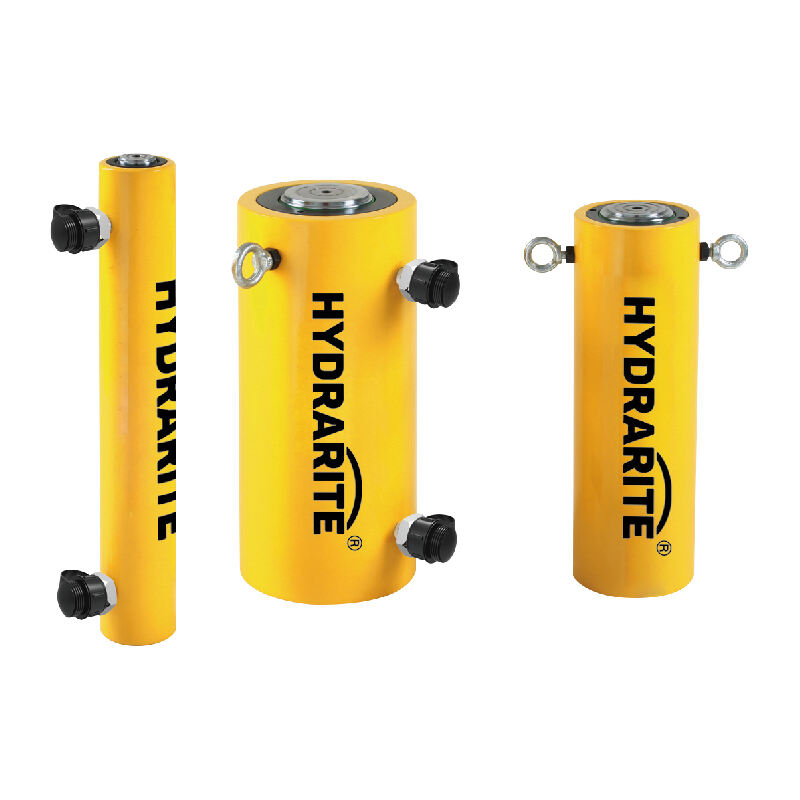
Within the vast ecosystem of industrial pipe work—from bending and flanging to alignment and pushing—the hydraulic cylinder stands as the fundamental actuator, converting fluid power into precise, powerful linear motion. The selection of Hydraulic Cylinders for Pipe specific applications is a decisive engineering choice that directly influences project efficiency, safety, and outcome quality. For professionals tasked with specifying or maintaining this core component, a deep understanding of its operational demands and optimal design parameters is essential. This analysis delves into the key considerations that separate a standard cylinder from one engineered for the rigors of the pipe industry.
The paramount consideration is Load Management and Structural Integrity. Pipe operations generate complex force vectors. During bending, cylinders experience not only pure axial loads but also significant side-loads and moment forces as the pipe material resists deformation. A cylinder not designed for this will suffer from accelerated seal wear, barrel scoring, and potential piston rod bending. Industrial-grade cylinders must therefore feature robust construction: a thick-walled barrel made from seamless, cold-drawn steel for dimensional stability; a large-diameter piston rod, often hard-chromed and polished, to resist buckling; and reinforced mounting points (clevis, trunnion) designed to absorb these off-axis forces. This structural integrity ensures smooth, reliable actuation throughout the cylinder's stroke, maintaining bending precision and protecting the entire machine frame from stress concentrations.
Next is Sealing System Sophistication and Environmental Defense. The hydraulic cylinder's internal environment is a battleground against contamination, pressure extremes, and temperature fluctuations. In pipe workshops, airborne particulates and moisture are ever-present threats. The sealing system is the cylinder's immune system. A superior system employs a multi-stage approach: wipers or scrapers to exclude external contaminants, primary load-bearing seals (often polyurethane or composite materials) to contain high pressure, and secondary buffer seals to handle any internal leakage past the primary seal. The geometry and material of these seals are critical; they must maintain elasticity at low temperatures and resist hardening or degradation at elevated operating temperatures. For pipe applications, where cylinders may be stationary under load for extended periods, the seals must also exhibit excellent anti-extrusion properties to prevent them from being forced into microscopic clearances, which leads to failure.
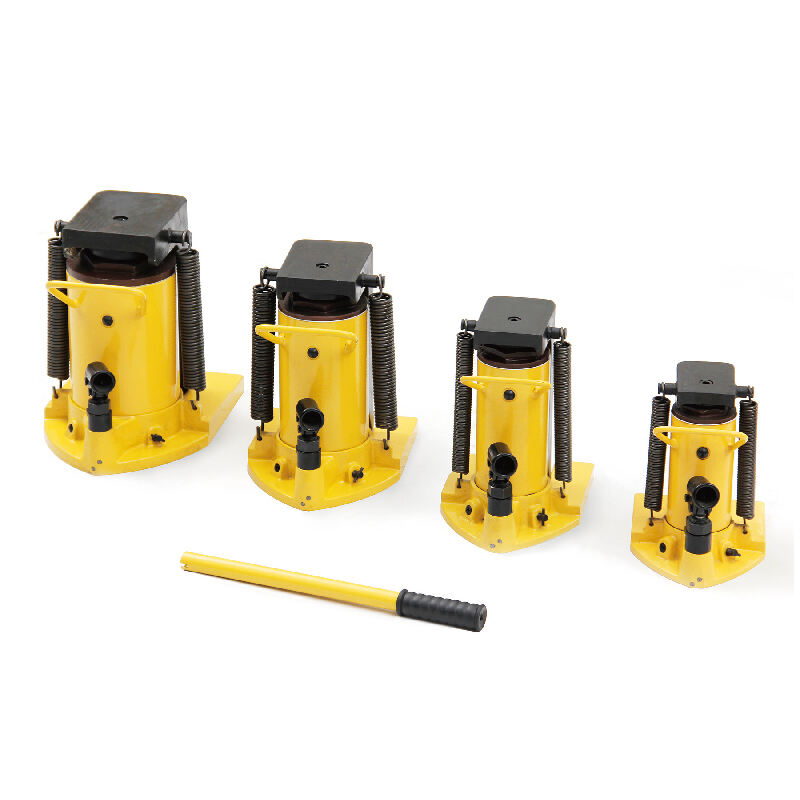
Finally, Integration, Customization, and Maintenance Accessibility define practical utility. Cylinders are rarely standalone units; they are integral components of larger machines like benders, pipe jacks, or flange aligners. Therefore, their dimensional standards (mounting style, port size, stroke length) must allow for seamless integration or replacement within existing equipment frameworks. The ability to source custom stroke lengths, port configurations, or specialized mounting styles from the manufacturer is a significant advantage. Furthermore, design for serviceability is crucial. Features like easily accessible port connections, serviceable gland assemblies, and the availability of comprehensive repair kits (seals, bearings, wipers) directly impact maintenance downtime and cost. A cylinder designed with maintenance in mind allows for quick seal replacement in the field, extending service life and avoiding the cost and delay of a full cylinder replacement.
In conclusion, specifying Hydraulic Cylinders for Pipe applications requires moving beyond basic bore and stroke metrics. It demands an evaluation of structural capacity for complex loading, the sophistication of its sealing defense system, and its design for integration and maintainability. By partnering with a manufacturer whose core expertise is in hydraulic tools for the pipe industry, you secure a component engineered not as a commodity, but as a reliable, high-performance heart of your machinery, ensuring consistent force, precision, and durability where it matters most.

 EN
EN