
 EN
EN
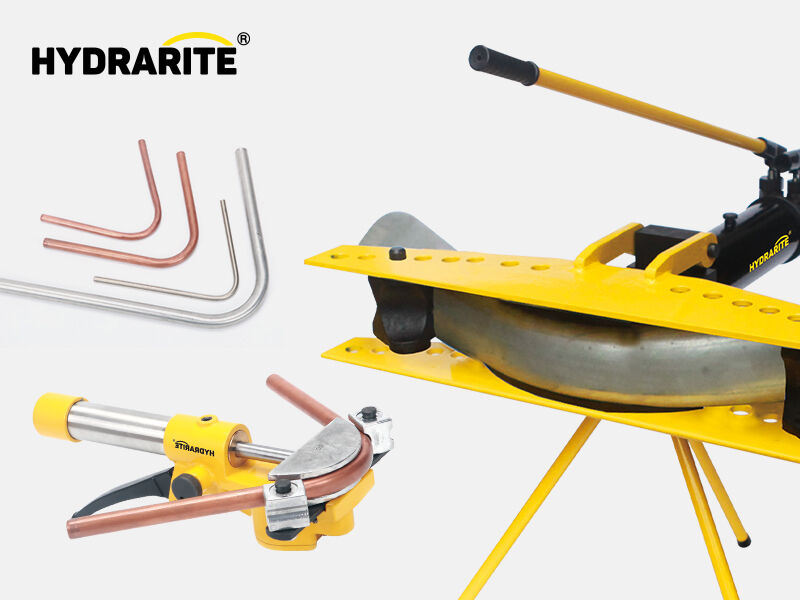
Material and Diameter Compatibility for Petrochemical Pipe Benders
Bending High-Strength Alloys: Stainless Steel, Duplex, and Nickel Alloys
When working with corrosion resistant alloys, petrochemical pipe benders face some pretty tough material challenges. For stainless steel specifically, getting it to bend properly needs around 5,000 to 8,000 pounds per square inch of hydraulic pressure just right so it doesn't become too hard to work with. Duplex stainless steels are even trickier business because they need careful temperature management during the bending process. If things get too hot, these materials can develop what's called sigma phase formation, which basically means creating brittle spots that ruin both strength and resistance to rust. Then there's nickel based superalloys such as Inconel that really push the envelope for equipment manufacturers. These materials need special tools and much slower bending rates since they tend to spring back after being formed, sometimes by over 15 degrees in thicker pipes. And let's not forget about storage conditions either. Keeping these pipes away from chlorides and using proper supports matters a lot too, otherwise stress corrosion cracking becomes a real problem down at the refinery.
Wide-Diameter Range Support: From ½" Instrument Lines to 48" Process Pipelines
Pipe benders come in all sorts of configurations to handle the wild range of diameters found in petrochemical plants. The precision mandrel type works great for those tiny ½ inch instrument tubes, keeping tolerances within just 0.1 mm. Meanwhile, the big hydraulic induction models tackle massive 48 inch carbon steel pipes, applying pressures well over 50 thousand pounds per square inch. What makes this setup so valuable is that it cuts down on flange connections for high pressure systems. According to recent safety checks from 2023, this actually reduces possible leak spots by around 37%. Maintenance crews can swap out tools in less than 15 minutes when moving from the fine chemical injection lines to those huge crude oil transfer pipes. This flexibility really helps during equipment maintenance and when bringing new sections online.
Precision and Bend Integrity Requirements for Safety-Critical Petrochemical Systems
Ovality Control (<3%) and Springback Compensation per API RP 2A-WSD
Keeping ovality under 3% is absolutely essential when dealing with high pressure petrochemical pipes. When pipes get too deformed, it messes up how fluids move through them, speeds up wear and tear on the inside surfaces, and can actually weaken the whole structure over time. This matters even more in underwater installations or those operating at very high temperatures in refineries. Today's advanced pipe bending machines handle this challenge using servo electric systems along with laser scanners that check for problems as the bend happens and automatically adjust the tools if needed. According to API RP 2A WSD standards, there are specific algorithms built in to account for springback effects so that finished bends stay within half a degree of what was originally designed. This becomes especially important when working with materials like duplex stainless steel since their memory properties can really throw off the final shape if not properly compensated during manufacturing.
Surface Finish and Weld Placement Optimization to Prevent Stress Concentration
Cold bending keeps surfaces intact because it doesn't create those tiny fractures in the heat affected zone that often happen during welding. Getting smooth, scratch free finishes matters a lot since even small surface flaws can become stress points where cracks start forming when things get loaded repeatedly. If welding absolutely has to be done somewhere, most professionals follow the rule book here too. According to ASME B31.3 standards, welds should sit at least one full pipe diameter away from where the bend starts. Putting them closer than that raises the chance of fractures by about 40% according to what we've seen in actual failures over time. After bending operations, companies run various tests like ultrasonics and dye penetrants to check both surface quality and what's going on underneath. These checks help confirm everything meets the safety requirements for handling hydrocarbons as specified in ASME B31.3 guidelines.
Specialized Pipe Benders for Petrochemical Process Applications
Rotary Draw Pipe Benders for ASME B31.3-Compliant Process Piping
When it comes to ASME B31.3 compliant process piping, rotary draw pipe benders are pretty much essential for getting those repeatable results day after day. These machines work their magic through CNC controlled tooling combined with adaptive mandrel pressure settings. What this does is keep the wall thickness consistent across all bends and limits ovality to under 3%, which matters a lot when working with materials such as duplex stainless steel that resist corrosion so well. Another smart feature built into these systems is springback compensation. This accounts for how different materials remember their shape after bending, so the finished product actually matches what engineers designed for those high pressure fluid transfers. Plus, these benders handle tight radius bends ranging from around 1.5D to 2D without compromising mechanical integrity. That makes them particularly good fit for modular skid mounted equipment and other compact process arrangements where space is at a premium.
Heat Induction Pipe Benders for Large-Diameter, High-Pressure Refinery Lines
Induction pipe benders handle the bending of thick walled pipes with diameters as big as 48 inches commonly found in refinery systems and connecting pipelines between sites. When we apply heat locally to these pipes, it basically softens them right where we need to make the bend. This lets us create curves gradually without causing those nasty cracks or brittleness from cold working. After bending, proper cooling is essential too. The controlled cooling keeps the metal grains consistent throughout and maintains the necessary density so they meet API 5L standards for transporting hydrocarbons under pressure exceeding 1500 pounds per square inch. Compared to traditional flame bending methods, induction offers much better control over temperature distribution across the pipe. This results in less warping overall and importantly removes any risk of fires in hazardous locations where safety regulations are strict.
Certification, Traceability, and Compliance in Petrochemical Pipe Bender Selection
When picking out pipe benders for those big petrochemical jobs, following proper certification rules and keeping track of materials becomes absolutely essential. Each individual bend needs to meet ASME B31.3 standards for pressure piping. We need complete visibility on materials all the way from the raw alloy heat numbers right through to the finished product. This helps maintain responsibility throughout the entire lifespan of the piping system. The documentation trail typically consists of mill test reports, detailed logs showing real time parameters during bending (like pressure settings, temperatures reached, angles achieved, and feed rates used), plus records from independent non-destructive testing. According to a recent study in Piping Systems Quarterly last year, this kind of thorough documentation cuts down on installation errors by around 32%. Plus it meets requirements from standards bodies including API RP 2A-WSD as well as quality management systems like ISO 9001 and asset management frameworks such as ISO 55001. Something worth noting is that springback calculations really need to be tested against how pipes actually behave in practice rather than relying solely on theory books. High grade materials like duplex steel can vary quite a bit, which affects both dimensions and how they hold up over time under stress. So sticking to certified processes with good traceability makes sure our piping systems can handle intense pressures, repeated heating and cooling cycles, and harsh chemicals exactly as designed for their intended service life.
FAQ
What are the main materials used in petrochemical pipe bending?
The main materials include stainless steel, duplex stainless steels, and nickel-based superalloys like Inconel.
Why is temperature management important in bending duplex stainless steels?
The temperature must be controlled to avoid sigma phase formation, which can lead to brittle spots affecting strength and rust resistance.
How do rotary draw pipe benders ensure compliance with ASME B31.3 standards?
Rotary draw pipe benders use CNC controlled tooling and adaptive mandrel pressure settings to keep wall thickness consistent and limit ovality to under 3%, complying with ASME B31.3 standards.
Table of Contents
- Material and Diameter Compatibility for Petrochemical Pipe Benders
- Precision and Bend Integrity Requirements for Safety-Critical Petrochemical Systems
- Specialized Pipe Benders for Petrochemical Process Applications
- Certification, Traceability, and Compliance in Petrochemical Pipe Bender Selection
- FAQ