
 EN
EN
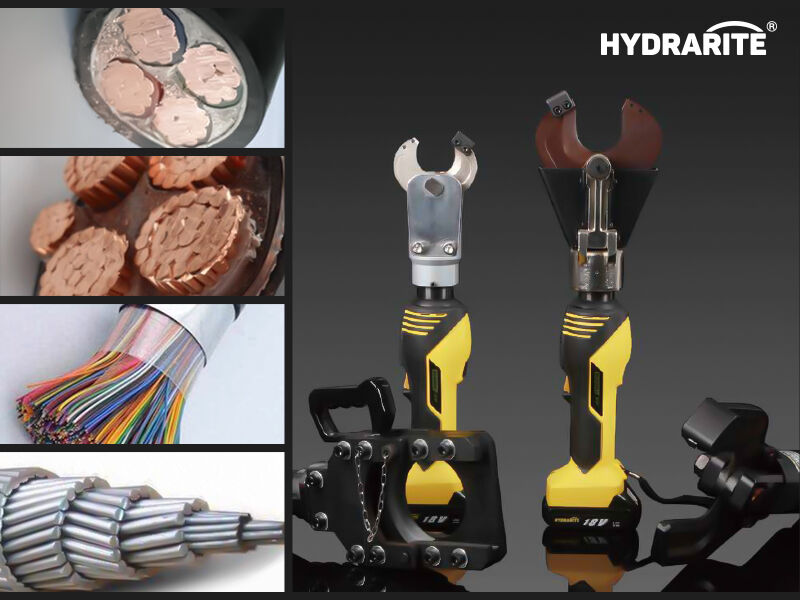
Copper Cables: The Gold Standard for Cable Cutter Performance
Why Copper Dominates Electrical Installations and Defines Cutting Expectations
Copper remains king in most electrical systems, appearing in roughly 90 percent of all building wiring throughout the country. The reason? Simply put, no other material conducts electricity quite like copper does, plus it bends easily without breaking apart. When working with copper cables, good quality cutters matter a lot because this metal has a tensile strength somewhere between 210 and 250 MPa. That means blades need enough power to deform the metal cleanly without snapping back, yet copper isn't so hard that it wears down tools at an alarming rate. Most professional cutting equipment gets designed with exactly these traits in mind, making sure wires get sliced straight through without getting crushed or developing those annoying little burrs that mess up connections later on. Electricians appreciate how consistent copper behaves mechanically, which makes picking out the right cutting tool much easier than dealing with unpredictable materials. Industry standards have actually developed around copper's specific needs regarding blade shapes and how much pressure they require.
Tensile Strength, Ductility, and Real-World Cutting Force Requirements for Cable Cutters
Copper is definitely softer than steel, but what makes it tricky to work with is its impressive ductility, which can stretch over 45% before breaking. This means cutting copper needs careful control of force instead of just muscle power. For example, cutting 2 AWG copper wire takes around 1,200 pounds of force. Most electricians get away with 18 inch manual cutters for this size, though anything bigger than 500 MCM usually needs hydraulic help. The problem comes when copper tends to "neck" during cutting. If blades aren't sharp enough, they just squish the metal rather than making a clean cut, which often damages the insulation. That's why top tool makers spend so much time getting the shape of their cutter jaws right and treating them properly to handle copper's specific properties like its yield strength of about 33 MPa and how it stretches. Real world testing has shown that using poor quality tools leads to roughly 70% more connection failures down the line. So when working with copper, investing in cutters designed specifically for its unique characteristics isn't just good practice, it's pretty much mandatory if we want reliable connections that meet all the safety codes.
Aluminum Cables: Easier to Sever but Riskier for Cable Cutter Longevity
Lower Yield Strength vs. Oxidation Challenges: Balancing Ease and Blade Wear
Aluminum cables need much less cutting force compared to copper cables since their yield strength is around 40% lower. This makes them cut quicker during those tight installation deadlines where every minute counts. But there's another side to this story. Once aluminum touches air, it starts forming this tough oxide layer (Al2O3) pretty fast. The hardness of this stuff? Over 15 GPa according to tests, which is about 30 times harder than the actual metal itself. Studies show that these oxides wear down blades about three times faster than when working with copper. Some folks try using special coatings on their tools or wiping the cables before cutting, but these extra steps just complicate things without solving the real problem. The inside of the aluminum cable stays soft and gets squished easily when pressure is applied, leading to bad connections down the road. Anyone working with these materials needs to think about how saving time upfront might actually cost more money later on for replacing worn tools and fixing messed up jobs.
Steel-Reinforced and Armored Cables: Where Standard Cable Cutters Fail
Galvanized Steel Armor Hardness (400–550 HV) Exceeds Most Manual Cable Cutter Limits
The galvanized steel armor has a Vickers hardness rating between 400 and 550 HV, which is way beyond what most handheld cable cutters can handle since their maximum is around 350 HV. Because regular cutting tools don't have blades hard enough or strong enough mechanically to slice through these steel wires properly, workers end up needing about three times the effort required for cutting copper cables instead. The result? Blades chip off early, get bent out of shape, or leave behind those frustrating partial cuts nobody wants to deal with later on.
| Material | Hardness (HV) | Cutting Force Required | Manual Cutter Compatibility |
|---|---|---|---|
| Copper | 40–150 | Low | ✓ Suitable |
| Galvanized Steel | 400–550 | Very High | ✘ Inadequate |
This performance gap explains frequent field failures—including damaged armor wires, crushed conductors, and compromised grounding integrity—when generic cutters are misapplied. Industry safety standards explicitly prohibit their use on armored cables without verified compatibility.
Hydraulic and High-Leverage Cutters: Capabilities and Safety Boundaries for Steel Strand
These hydraulic cable cutters can produce around 20 tons of cutting power, which is plenty to slice through galvanized steel strands without damaging the conductor inside or creating dangerous flying pieces. The sealed hydraulic system keeps those sharp armor wire bits from becoming projectiles, something workers really need in places where sparks could start fires, like at oil refineries or underground mines. There are also high leverage ratcheting versions that people carry around, though they require about half again as much physical effort from operators and strict attention to what size cables they're cutting. All models use tungsten carbide blades that work well above 600 hardness value ratings. Going beyond the maximum cable size listed on the tool specs, even just slightly, might lead to total breakdown of the equipment. Getting the right cutter for each job specification isn't just good practice it's absolutely necessary if companies want to stay safe, maintain performance standards, and meet all their regulatory obligations.
Multi-Layer and Shielded Cables: Precision Geometry Over Raw Power
Coaxial and Fire Alarm Cables Demand Blade Alignment–Not Just Force–for Clean Cuts
Coaxial cables and those rated for fire alarms (FPLR) need careful handling because they're built for accuracy rather than raw power transmission. Take a standard coax cable for example it's got several parts working together: there's the central wire, then insulation around it, followed by a metal foil layer, and finally a woven metal cover everything wrapped up in plastic sheathing. When cutters aren't properly set up or misaligned, they tend to crush instead of cleanly cutting through each layer. This leads to problems like frayed shields, bent conductors, or distorted insulation that messes with signals and weakens protection against electromagnetic interference. With fire alarm wiring specifically, bad cuts might ruin the special flame resistant coating or damage the inner wires, which could mean losing important safety certifications like UL approval. Getting good connections means using tools where the blades line up straight and cut through all layers at once without squishing them. Technicians should make sure the cable sits flat against the cutter and not twist while cutting since both actions help keep the metal braid intact and ensure complete coverage around the whole circumference.
How Jacket Material (PVC, FPLR, Foil, Braid) Affects Cable Cutter Selection and Technique
Jacket composition dictates not only tool choice but also cutting technique–due to wide variations in hardness, elasticity, and shear resistance:
| Material | Hardness (Shore A) | Cutting Challenge | Optimal Cutter Feature |
|---|---|---|---|
| PVC | 75–95 | Gumming blades; requires frequent cleaning | Non-stick coated blades |
| FPLR | 85–100 | Brittle fracturing; fire-resistant additives | Micro-serrated edges |
| Foil-shielded | N/A | Tearing risk; delicate aluminum layers | Razor-sharp precision blades |
| Braid-shielded | N/A | Snagging copper strands | Polished cutting surfaces |
Cables with PVC jackets such as Cat5 and Cat6 work better when cut with blades that have non-stick coatings since these help prevent polymer residue buildup on the cutting surface. For FPLR jacket materials, the blades need tiny serrations along their edges so they can grab hold of those tough, fire resistant compounds without creating messy tears. When dealing with foil shielded cables, sharp as possible blades are essential for making clean cuts through the thin aluminum layer without causing it to stretch or tear apart. Braided shielding tends to respond well to blades that are smooth and polished, allowing them to pass through the woven copper strands without getting caught up. Getting the technique right matters just as much as picking the right tools. Sometimes slowing down works wonders for foil layers while maintaining consistent pressure makes all the difference when handling braided constructions. These small adjustments really count when trying to maintain shield integrity and hit those performance specs consistently.
Non-Metallic (NM-B/Romex®) and Composite Cables: Deceptively Challenging
Cables with non-metallic sheathing like NM-B (Romex) might look easy to cut because of those flexible PVC jackets, but there's actually quite a bit going on inside that makes cutting them tricky business. The outer layer needs just the right amount of pressure during cutting. If someone applies too much force, it can crush the wires inside, particularly that bare grounding wire, which raises the chance of termination failures by about 40% if the tool isn't aligned properly. When working with Romex that has multiple conductors (usually 2 to 4), pinching becomes a bigger problem along with potential damage to the insulation. Composite cables throw another wrench into the mix since they have these mixed layers underneath their thermoplastic coverings. These blended materials react strangely when subjected to shear forces. Blades meant for regular materials tend to either slip or tear through these composite structures, leaving the inner parts frayed while failing to cleanly cut through the outer shell. Pros handle this situation with special tools featuring tapered, multi-angle jaws specifically made for layered materials. This ensures clean cuts in one stroke without damaging the insulation. For folks tackling projects themselves, getting good results depends on using sharp blades at a right angle and making sure the cut goes all the way through smoothly in one motion. Jagged edges or incomplete cuts not only look bad but also pose serious safety risks and can cause problems with circuits down the road.
FAQ Section
Why is copper a preferred material for electrical installations?
Copper is preferred because of its excellent electrical conductivity, flexibility, and durability. It also requires tools with specific capabilities to slice it without causing damage.
How does aluminum compare to copper in cutting ease and tool wear?
Aluminum is easier to cut due to its lower yield strength, but it forms hard oxides that can significantly wear down cutting blades.
What challenges do steel-reinforced cables present?
Steel-reinforced cables demand high-strength cutters due to their hardness, often surpassing traditional manual tool capabilities, leading to a need for specialized hydraulic cutters.
How should shielded cables be cut for optimal results?
Shielded cables require precision alignment of cutting tools to cleanly slice through the multiple layers without crushing or misaligning the internal components.
What are the difficulties in cutting non-metallic or composite cables?
Non-metallic cables can be deceptively challenging due to the need for just the right pressure to avoid crushing or fraying internal wires. Special tools are often required for these types of cables.
Table of Contents
- Copper Cables: The Gold Standard for Cable Cutter Performance
- Aluminum Cables: Easier to Sever but Riskier for Cable Cutter Longevity
- Steel-Reinforced and Armored Cables: Where Standard Cable Cutters Fail
- Multi-Layer and Shielded Cables: Precision Geometry Over Raw Power
- Non-Metallic (NM-B/Romex®) and Composite Cables: Deceptively Challenging
-
FAQ Section
- Why is copper a preferred material for electrical installations?
- How does aluminum compare to copper in cutting ease and tool wear?
- What challenges do steel-reinforced cables present?
- How should shielded cables be cut for optimal results?
- What are the difficulties in cutting non-metallic or composite cables?