
 EN
Why Hydraulic Oil Level Gets Overlooked
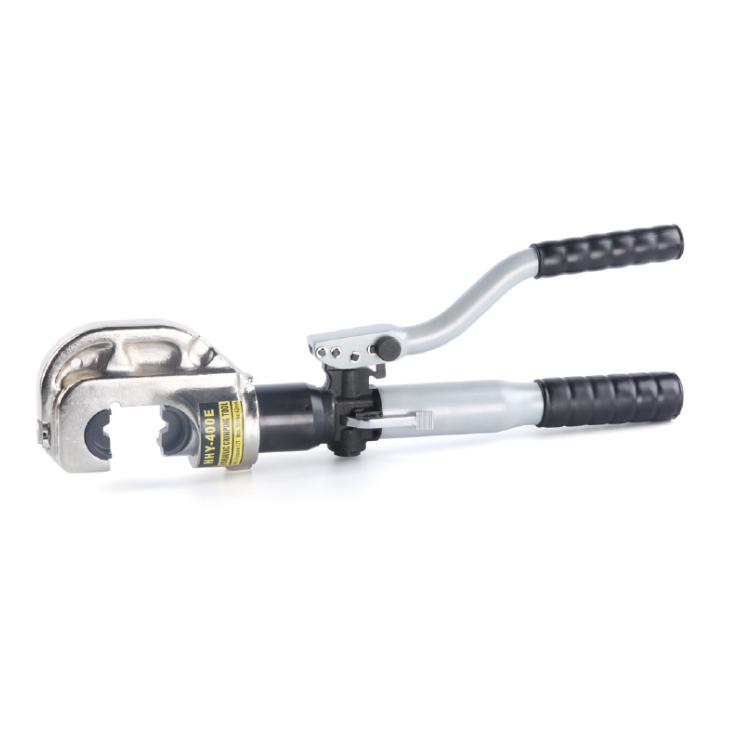
Cordless crimping tools have become standard equipment for electricians, line workers, and industrial maintenance crews. They are fast, portable, and powerful enough to handle connectors that used to require manual hydraulic pumps. But because these tools run on batteries and look like oversized drills, operators often forget that inside the housing there is a real hydraulic system doing the actual work. That system depends on oil to transfer force from the motor to the crimping head. When the oil level drops, the tool loses crimping force. The crimp may look finished on the outside, but the connection inside is weak. The scary part is that a low oil condition rarely announces itself with a warning light. The tool just slowly loses power over dozens of cycles until someone notices that the same connector that used to crimp in three seconds now takes six. By then, the oil has been low for a while and the pump has been working harder than it should. Checking oil level regularly is the simplest way to prevent this slow decline.
The Relationship Between Oil Level and Crimp Quality
Crimping is a precision operation, not a brute force squeeze. The tool must reach a specific pressure to compress the connector and wire into a gas tight bond. If the hydraulic system cannot build full pressure because the oil reservoir is low, the crimp will be incomplete. The connector may still look acceptable, but its electrical resistance will be higher and its mechanical strength will be lower. Over time, a weak crimp can overheat under load, loosen through vibration, or fail entirely. None of these failures are easy to spot during installation. They show up weeks or months later as intermittent faults that are expensive to trace. Maintaining the correct oil level ensures the tool can reach its rated pressure on every cycle. That consistency is what produces reliable connections that last for the life of the installation. The oil is not just a lubricant. It is the medium that makes precise force possible.
How to Check the Oil Level Properly
Checking the oil level on a cordless crimping tool is a quick procedure, but it has to be done the right way. The tool should be upright, not lying on its side, because oil settles and a sideways reading gives a false impression. Most tools have a small sight glass or a dipstick style indicator near the reservoir. The oil should sit within the marked range. If it is below the minimum line, the tool needs topping up. Before adding oil, the area around the fill port should be wiped clean to prevent dirt from entering the system. Even a tiny particle can damage the precision surfaces inside the pump. The oil used must match the manufacturer's specification. Using the wrong viscosity oil changes how the tool builds pressure and can cause overheating or sluggish operation. A bottle of the correct hydraulic oil costs very little compared to the price of a rebuilt pump. Checking the level takes less than a minute, and it should be part of the weekly routine for any crew that uses these tools daily.
The Cost of Running a Tool Low on Oil
The financial impact of low oil goes far beyond the cost of a bottle of hydraulic fluid. A pump that runs low on oil draws air into the system. Air compresses differently from oil, which reduces the force transmitted to the crimping head. The operator compensates by holding the trigger longer, which puts extra strain on the motor and battery. The tool runs hotter, the battery drains faster, and the internal components wear out sooner. A crimping tool that should last five years in daily service might need a pump rebuild after two years if the oil level is ignored. Rebuilds are not cheap, and the downtime while the tool is in the shop costs even more when a crew is standing around waiting. Some crews keep a spare tool on site specifically because they know their primary tools get abused. The irony is that a simple oil check would eliminate most of that abuse. The money saved on repairs and replacements could fund other equipment upgrades.
Seasonal Factors That Affect Oil Performance
Hydraulic oil behaves differently depending on temperature, and this matters more for cordless tools than most people realize. In cold weather, oil thickens and the tool may struggle to reach full pressure until it warms up. In hot weather, oil thins out and can leak past seals more easily. These seasonal shifts mean the oil level should be checked more often during extreme weather periods. A tool stored in an unheated truck overnight in winter might read low in the morning simply because the oil has contracted. Topping it up in that condition can lead to overfilling when the oil warms and expands. The better practice is to let the tool come to ambient temperature before checking. Operators who work in regions with wide temperature swings should pay extra attention to oil condition as well as level. Oil that has been overheated repeatedly loses viscosity and turns dark. That degraded oil should be drained and replaced, not just topped up. Fresh oil restores the tool's original performance characteristics.
Building Oil Checks into a Maintenance Routine
The best way to keep cordless crimping tools running smoothly is to make oil level inspection a scheduled task rather than an afterthought. A maintenance log that records oil checks alongside battery health, die wear, and seal condition gives a complete picture of tool condition over time. This kind of documentation is especially valuable for companies that run multiple crews across different sites. A tool that consistently needs oil top ups may have a slow leak that requires seal replacement. Catching that early prevents a catastrophic failure during a critical job. Hydrarite builds cordless crimping tools with accessible oil ports and clear level indicators because the company understands that maintainability is a feature, not an afterthought. The engineering team designs the hydraulic system so that routine checks are straightforward, which encourages operators to actually perform them. A tool that is easy to maintain gets maintained. A tool that requires disassembly to check the oil gets ignored until it fails. That distinction shows up in the service life of the equipment and the reliability of the connections it produces.