
 EN
The Real Difference Between Battery Powered and Handheld
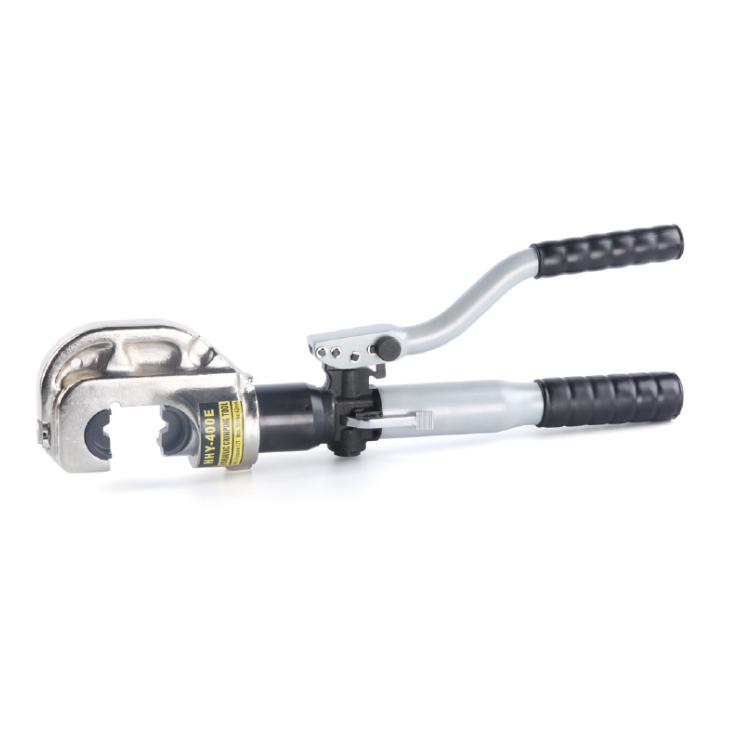
The term handheld gets confusing in the crimping tool world because both battery powered and manual tools are held in the hand during operation. The difference is where the crimping force comes from. A manual handheld tool relies entirely on the operator's grip strength and arm motion to compress the connector. A battery powered tool uses an internal hydraulic pump driven by a rechargeable battery to generate the same force with almost no physical effort from the user. That distinction matters enormously when a job requires hundreds of crimps in a single shift. An electrician who crimps fifty connectors by hand will feel the fatigue building in their forearms and wrists by mid morning. The same electrician using a battery powered tool can crimp two hundred connectors before lunch and still have steady hands for fine work in the afternoon. The time savings start with the physical strain difference, but they extend far beyond it.
Cycle Speed Adds Up Faster Than Expected
The most obvious time saving advantage is raw cycle speed. A manual crimping tool takes several seconds per connection because the operator has to position the connector, apply force through the handles, hold the pressure, and release. A battery powered tool completes the same crimp in two to three seconds with a press of a trigger. That difference might sound small when you look at a single crimp. Multiply it across a panel with eighty connections and the manual method takes forty minutes while the battery method takes ten. Over the course of a week on a large installation project, the battery tool saves hours of labor. Those hours translate directly into lower project costs and faster completion schedules. Contractors who bid on commercial jobs know that labor is the biggest expense. Any tool that reduces labor time per connection gives them a competitive edge in pricing without sacrificing quality.
Consistent Crimp Quality Reduces Rework Time
Time saved during the crimping process is only part of the story. The real hidden cost of manual tools shows up in rework. A manual crimp depends on the operator applying full pressure every single time. When fatigue sets in, the pressure drops. The connector looks crimped but fails to meet the required compression standard. These weak crimps pass visual inspection during installation and fail later during testing. Finding and repairing them eats up hours of troubleshooting time. A battery powered tool removes this variable almost entirely. The hydraulic system builds to the same pressure on every cycle, regardless of who is holding the tool or how tired they are. The crimp quality stays consistent from the first connection of the day to the last. That consistency eliminates most rework and the associated time loss. It also reduces the number of failed inspections, which can delay project handover and damage a contractor's reputation.
Battery Life and Workflow Considerations
Skeptics often raise the question of battery life as a disadvantage of battery powered tools. In practice, modern lithium ion batteries have largely solved this concern. A fully charged battery on a quality crimping tool can handle several hundred crimps before needing a recharge. For most daily work, one spare battery is enough to keep the tool running through a full shift. The charger is compact and can run from a standard outlet or a vehicle inverter. The key is matching the battery capacity to the expected workload. A crew doing light residential work might go days between charges. A crew doing heavy industrial terminations might swap batteries at lunch. Either way, the workflow disruption is minimal compared to the physical fatigue of manual crimping. The real workflow advantage of battery tools shows up in tight spaces. A manual tool requires room to open the handles fully, which is not always available inside a crowded panel. A battery tool needs less clearance and can crimp in positions that would be impossible with long manual handles.
Long Term Cost Implications of Speed
The time savings from battery powered crimping tools create financial benefits that compound over the life of the tool. Labor is the most expensive resource on any job site. If a battery tool saves even thirty minutes per day per worker, that adds up to over one hundred and twenty hours per year for a single full time electrician. At standard commercial labor rates, those hours are worth thousands of dollars. The tool pays for itself in labor savings within the first few months of regular use. There are also secondary savings. Fewer repetitive strain injuries mean less lost time to medical leave and worker compensation claims. Faster completion schedules allow contractors to take on more projects within the same calendar year. The battery tool also reduces the need for additional crew members on large jobs because each worker can produce more output per hour. When these factors are combined, the cost advantage of battery powered tools becomes impossible to ignore for any operation that crimps regularly.
Choosing the Right Tool for the Job
The decision between battery powered and manual handheld crimping tools should be based on volume, not preference. For occasional use, a manual tool makes sense because the cost is low and the physical effort is manageable when crimping a few connectors. For daily professional use, the battery powered tool is the clear winner in terms of time, consistency, and long term economics. Hydrarite manufactures battery powered crimping tools designed for sustained daily use in demanding environments. The company's engineering focus on hydraulic efficiency and battery management means the tools deliver full crimping force cycle after cycle without the performance drop that plagues cheaper models. For contractors and maintenance teams who measure their profitability in labor hours, the shift from manual to battery powered crimping is not a luxury upgrade. It is a practical decision that shows up on the bottom line every single month.