
 EN
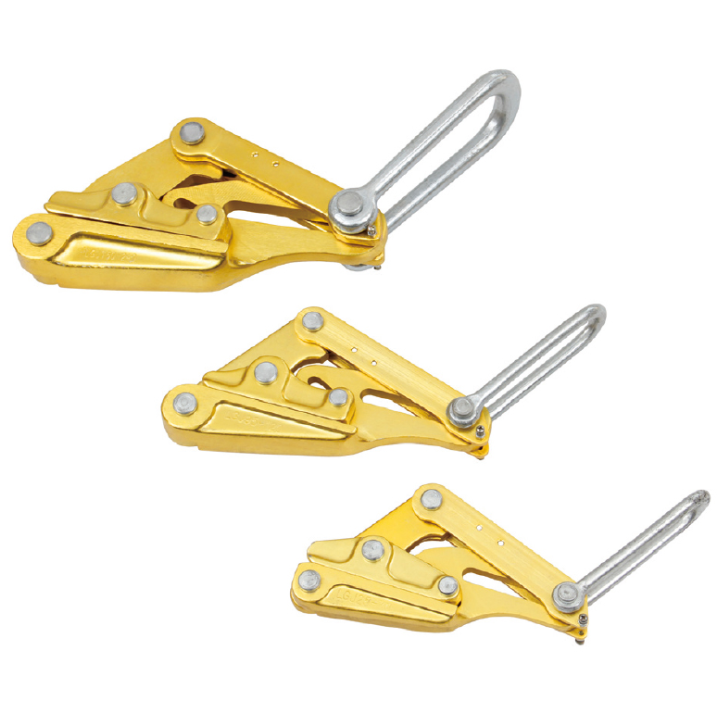
Why High Tension Cable Pulling Deserves Extra Respect
High tension cable pulling is not the same as running a length of romex through a residential wall. The forces involved are massive. A thick cable being pulled through a long conduit run can generate thousands of pounds of tension, and if something lets go, the stored energy releases instantly. That is how workers get seriously hurt. A cable that snaps under tension can whip through the air with enough force to break bones. A pulling rope that parts can send fittings flying like projectiles. Even when nothing breaks, the strain on hands, backs, and shoulders from manual pulling leads to long term injuries that end careers. The first safety rule is mental. Anyone involved in a high tension pull has to understand that this is a high energy operation. It deserves the same level of planning and caution as working with energized equipment, even though the cable itself is not yet carrying current. The physical forces alone are dangerous enough.
Planning the Pull Before Anyone Touches a Rope
Most cable pulling accidents happen because someone skipped the planning phase. A proper plan starts with the route. Every bend, junction box, and transition point should be identified before the pull begins. Each bend adds friction, and friction adds tension. A pull that is easy through straight conduit can become dangerous when it passes through multiple ninety degree bends. The plan should include a tension calculation based on the cable weight, the conduit length, and the number of bends. If the calculated tension approaches the cable's rated limit, the pull needs intermediate pulling points or a different approach. Communication is another critical part of planning. The person operating the pulling equipment and the person feeding the cable need a reliable way to talk to each other. Radios are standard. Hand signals alone are not enough when the pull spans multiple rooms or floors. A pre pull briefing should cover who does what, what signal means stop, and what to do if something feels wrong.
Equipment Inspection Is Not Optional
The equipment used in high tension pulling takes enormous stress, and failures happen when worn gear is pushed past its limit. Every pulling rope should be inspected before use. Look for frayed strands, flat spots, cuts, and signs of chemical damage. A rope that has been overloaded before may look fine on the outside but have damaged fibers inside. When in doubt, replace it. The pulling grip or connector should be rated for the cable size and the expected tension. Using an undersized grip is asking for it to slip off mid pull, which sends the cable snapping backward. The pulling machine itself needs a working tension meter. Pulling blind without knowing the tension is like driving without a speedometer on a road full of sharp curves. The meter tells the operator when the force is building too fast, which gives them time to stop before something breaks. All of this inspection work takes time, but it is nothing compared to the time lost to an accident investigation.
The Human Element in Cable Pulling Safety
The people on the pulling crew are part of the safety system, and their physical limits have to be respected. Fatigue leads to poor decisions and slow reactions. A crew that has been pulling cable all day in a hot environment is more likely to make mistakes in the final hours of the shift. Rotating positions helps. The person feeding the cable should not also be the person operating the pulling machine without a break. Gloves are essential, but they are not enough. Workers need to be trained to keep their hands away from pinch points where the cable enters the conduit or passes over a pulley. Loose clothing, jewelry, and long hair are hazards around rotating equipment and moving cable. The work area should be cleared of trip hazards because a stumble during a high tension pull can turn into a catastrophe if the person falls into the cable path. A safe crew is one that understands the risks and adjusts their behavior accordingly.
Controlling the Pull Zone and Keeping People Clear
The area around a high tension pull should be treated like a controlled zone. Nobody stands in line with the pulling rope, because that is the path a snapped rope will follow. Nobody stands behind the cable reel, because a sudden release can send the reel spinning and the cable whipping backward. The zone should be marked and communicated to everyone on site, including workers who are not part of the pulling crew. Other trades often walk through active work areas without realizing the danger. A high tension pull is not the time for casual visitors. The pulling speed also matters. High tension does not mean high speed. A slow, steady pull gives the operator time to watch the tension meter and react before something fails. Jerky starts and sudden stops multiply the stress on every component. Smooth, controlled movement is both safer and more efficient because it reduces the chance of damage to the cable jacket.
Building Safety into the Equipment You Use
The tools and equipment used for high tension cable pulling have evolved significantly over the years. Modern pulling machines come with tension limiting features, automatic shutoffs, and remote controls that keep the operator out of the danger zone. These features are not luxuries. They are safety systems that prevent the most common causes of serious accidents. Hydrarite manufactures tools and equipment used in demanding electrical work, and the company's design approach reflects an understanding of the forces involved in high tension operations. From crimping tools that produce reliable connections to equipment built for sustained use in industrial environments, the engineering focus stays on performance without compromising safety. For crews that pull high tension cable regularly, investing in quality equipment with proper safety features is not about convenience. It is about making sure everyone goes home at the end of the shift with their body intact and their hearing still working. That is the standard that matters most.