
 EN
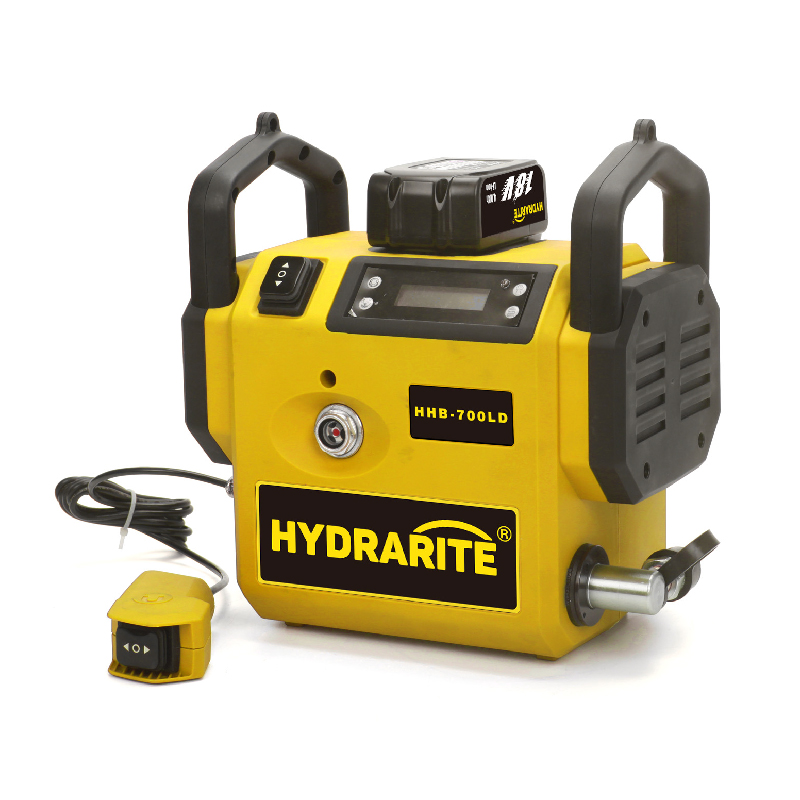
The Overheating Problem Nobody Talks About
A maintenance crew at a steel fabrication plant in the Midwest had a portable electric hydraulic pump that kept tripping its thermal overload. It happened every time they ran it for more than twenty minutes under load. They swapped the pump out, sent the old one for repair, and got it back with a clean bill of health—only to have the same problem recur within a week.
The issue wasn't the pump. It was where they stored it. The pump lived in a metal cabinet next to a furnace line, and the ambient temperature around that cabinet routinely hit 110°F. The motor cooling vents were pulling in hot air and couldn't shed heat fast enough. Moving the pump to a cooler storage location and cleaning the cooling fan blades solved the problem immediately.
Hydraulic oil temperature matters more than many operators realize. The recommended operating range for most systems sits between 10°C and 50°C (50°F to 122°F). When oil temperatures climb above 70°C (158°F), the fluid begins to break down. Viscosity drops, lubrication suffers, and seals start to harden and leak.
Cooling Vents: The First Line of Defense
Every portable electric hydraulic pump has cooling vents—typically located on the sides of the motor housing. These vents allow air to flow across the motor windings and dissipate heat generated during operation. But they're also magnets for dust, dirt, and debris.
In shop environments, metal filings and grinding dust accumulate on vent screens. In field conditions, mud, pollen, and construction debris clog the openings. A partially blocked vent reduces airflow by a surprising amount—sometimes by more than 50 percent—without being obvious to the naked eye.
Cleaning the vents regularly with a soft brush or low-pressure compressed air makes a measurable difference. The key is doing it before the pump shows signs of overheating, not after. A five-minute cleaning at the start of each week prevents the gradual buildup that leads to thermal trips and premature motor failure. Never insert objects into the vents or spray water or cleaners inside—that creates electrical hazards and can damage internal components.
Cooling Fans: When They Stop, Problems Start
Many portable electric hydraulic pumps use an integral fan mounted on the motor shaft or gear pump shaft to force air across the heat exchanger. These fans are simple, reliable, and require no external power source—they spin whenever the motor runs. But they're also vulnerable to damage and neglect.
Fan blades can crack from vibration or impact. Debris can jam the fan housing, preventing rotation. And in some cases, operators don't even notice the fan has stopped because the pump still runs and builds pressure. But without the fan moving air, heat builds up rapidly inside the housing.
A simple check: after starting the pump, listen for the fan. If it's quiet when it should be moving air, something's wrong. Visual inspection of the fan blades and housing during routine maintenance catches cracks, debris, and obstructions before they cause overheating.
| Cooling System Condition | Observable Sign | Recommended Action |
|---|---|---|
| Vents clear, fan running | Normal operating temperature, no thermal trips | Continue routine cleaning schedule |
| Vents partially blocked | Pump runs hotter than usual, longer cool-down periods | Clean vents with soft brush or low-pressure air |
| Fan not spinning or damaged | Overheating, thermal overload trips, shortened runtime | Inspect fan, clear obstructions, replace damaged blades |
Hydraulic Fluid Level and Quality
The hydraulic fluid in a portable pump serves two functions: it transmits power, and it carries heat away from the pump mechanism. Low fluid level means less fluid volume to absorb and dissipate heat. The remaining fluid works harder, gets hotter, and breaks down faster.
Checking the fluid level regularly—and topping it up with the correct grade—is basic maintenance that pays off in extended pump life. But quality matters as much as quantity. Contaminated fluid with water, dirt, or degraded additives doesn't transfer heat as effectively. It also accelerates wear on internal components, creating more friction and more heat in a vicious cycle.
Fluid that appears milky or dark has probably absorbed moisture or oxidized. Changing it according to the manufacturer's recommended interval—or sooner if operating conditions are harsh—keeps the cooling system working as designed. Some operations schedule fluid analysis to catch contamination early, but even a visual check of color and clarity provides useful information.
Work Cycle Management and Duty Cycles
Portable electric hydraulic pumps aren't designed for continuous full-load operation. Every pump has a duty cycle—typically expressed as a percentage of time it can run under load versus time it needs to cool. Ignoring the duty cycle is the fastest way to overheat a pump.
A pump rated for 30 percent duty cycle, for example, can run for three minutes under load and needs seven minutes of rest to cool adequately. Running it for ten minutes straight pushes the temperature past the design limits, even if the cooling system is clean and functioning.
Planning work around the duty cycle isn't always convenient, but it's cheaper than replacing pumps. Simple strategies help: rotate between two pumps on long jobs, schedule breaks that align with the pump's cooling needs, or use a larger pump with a higher duty cycle for extended operations.
Storage Location and Ambient Temperature
The pump's environment when it's not running matters just as much as when it is. Storing a pump in direct sunlight, next to a heat source, or in an unventilated enclosure raises the starting temperature of both the motor and the hydraulic fluid. A pump that starts at 110°F reaches its thermal limit much faster than one that starts at 70°F.
Storage locations should be clean, dry, and away from extreme temperatures. If the pump has been running hard, give it time to cool before putting it away. Closing a hot pump into a storage box traps heat and prolongs the cooling period, which stresses seals and accelerates fluid degradation.
In cold environments, the opposite problem exists. Hydraulic fluid thickens at low temperatures, making the pump work harder to move it. That extra work generates heat faster, and the cycle of thick fluid and increased friction can push temperatures up quickly. Allowing the pump to warm up at no load for a few minutes before starting work reduces this stress.
When Overheating Becomes a Pattern
Occasional thermal trips happen. But when a pump consistently overheats despite clean vents, a working fan, and proper fluid levels, something deeper is wrong. Worn internal components create excess friction. A bypass valve that's stuck partially open recirculates fluid without doing useful work, generating heat without output. A relief valve set too low causes the pump to bypass fluid continuously under load.
These issues require professional diagnosis. Continuing to run an overheating pump until it trips repeatedly accelerates the damage and turns a repairable problem into a replacement. Tracking thermal trip frequency and operating temperatures in a maintenance log helps spot the pattern early.
For operations that rely on portable electric hydraulic pumps across multiple job sites, having a consistent maintenance protocol matters. Equipment from manufacturers with established quality systems—like those in the Taizhou Ruiqi Tools network—tends to have better thermal management and more consistent component tolerances, which translates to fewer overheating issues over the life of the pump.