
 EN
EN
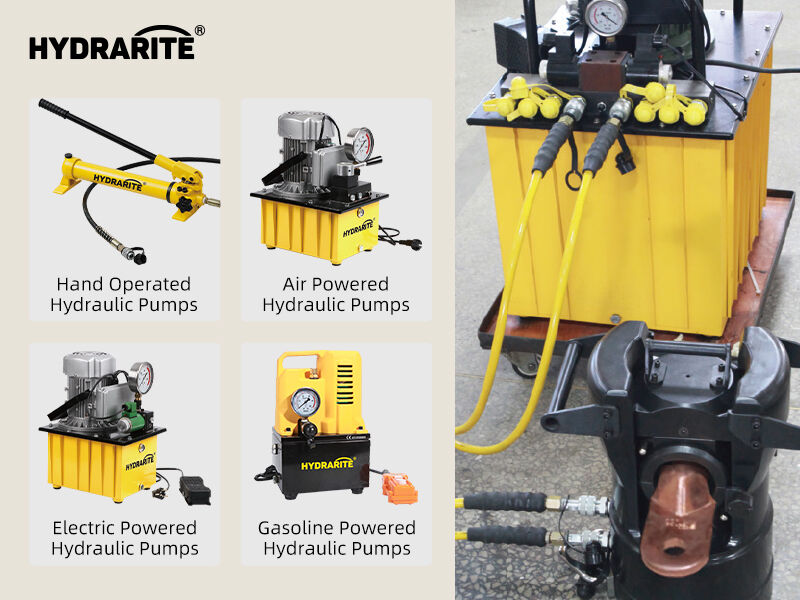
How Displacement Mechanism Defines Hydraulic Pump Types
Fixed vs. Variable Displacement: Impact on System Control and Efficiency
Hydraulic pumps work based on displacement, basically moving liquid around in tight spaces to create flow. Fixed displacement models push out the same amount of fluid each time they turn, which makes these pumps great for things that need constant flow without fluctuations. Think conveyor belts or basic lifting equipment where consistency matters most. These pumps are mechanically straightforward, so they tend to be cheaper upfront. Maintenance is simpler too since there aren't many parts wearing out over time. Plus, when loads stay pretty much the same day after day, fixed displacement pumps just keep working reliably without giving operators headaches.
Unlike fixed displacement models, variable displacement pumps change how much fluid they push around based on what the system actually needs. They do this through things like adjustable swashplates in axial piston designs or pressure compensating valves that respond to changing conditions. Because these pumps can adjust themselves, they maintain better pressure control without wasting energy when there's too much flow going through the system. According to industry standards like ISO 4409 and SAE J1210, systems using variable displacement pumps tend to run about 25% to 40% more efficiently in load sensing applications. There are tradeoffs though. These pumps come with higher upfront costs and need cleaner hydraulic fluid meeting ISO 16/13 specifications. Maintenance also becomes trickier since technicians need special training to work on them properly. When deciding between pump types, most engineers look at whether consistent flow and lower purchase price matter most for their application or if saving energy and adapting to changing pressures takes priority instead.
Design Implications for Gear, Vane, and Piston Hydraulic Pumps
Displacement mechanics fundamentally shape pump architecture, performance envelope, and application fit:
-
Gear pumps use interlocking external or internal gears to trap and displace fluid. Their robust, compact design delivers reliable performance at low cost, with typical pressure limits of ~250 bar (3,600 PSI). Internal leakage across gear clearances caps volumetric efficiency at 80–85% under sustained high-pressure operation.
-
Vane pumps work with sliding vanes that move outward in an elliptical shaped chamber inside the pump body. The design gives these pumps a much smoother flow compared to gear pumps, with less pulsation in the output. They typically run around 85 to 90 percent efficient when operating under moderate pressure conditions, which means they can handle pressures up to about 210 bar before performance drops off. But there's a catch. Because the vanes fit so tightly against the stator wall, even small particles in the fluid can cause problems. These pumps need really clean oil, meeting ISO standards like 18/16/13 for fluid purity. Without proper filtration systems in place, the components tend to wear out faster than expected, leading to costly repairs down the line.
-
Axial piston pumps work by using back-and-forth moving pistons controlled through a spinning swashplate mechanism. These pumps can reach impressive pressure levels above 400 bar, with most models hitting around 93% volumetric efficiency and about 95% mechanical efficiency. What really sets them apart is how well they integrate with variable displacement systems, which explains why they're so commonly found in demanding applications across both mobile and industrial sectors. Think heavy construction equipment like excavators or manufacturing setups such as injection molding machines where quick response times and efficient power usage matter most. This combination of performance characteristics has made piston pumps practically indispensable in situations requiring precise control over hydraulic systems.
Performance Comparison of Common Hydraulic Pumps
Gear Pumps: Cost-Effective Simplicity with Pressure and Life Limitations
Gear pumps tend to be the most affordable option when it comes to initial costs and they are also pretty straightforward to install compared to other types of hydraulic pumps. Because of these advantages, many farmers, construction workers, and manufacturers of lighter industrial machinery rely heavily on gear pump technology. The small footprint makes sense for tight spaces too, which explains why they show up so often in mobile equipment applications. But there's a catch worth mentioning here. Most gear pumps can't handle pressures much above 250 bar before things start breaking down. When pushed hard against that limit over time, internal leakage becomes noticeable, cutting volumetric efficiency down to around 80-85% while wearing away at both gears and their housings faster than expected. Another issue is noise levels that usually fall between 75-85 decibels. That's actually louder than what we see with vane or piston pumps, so they aren't great choices for places where quiet operation matters, such as inside factories or those city-based service vehicles.
Vane Pumps: Smooth Operation and Mid-Range Efficiency – But Contamination-Sensitive
Compared to gear pumps, vane pumps run much quieter between 65 and 75 decibels and deliver smoother flow rates. This makes them ideal for applications such as machine tools and packaging equipment where consistent movement is critical. When operating at moderate pressure levels around 210 bar, these pumps maintain impressive volumetric efficiency of roughly 85 to 90 percent. However there's a downside. Because the vanes need to extend and retract so precisely during operation, even minor contamination issues become problematic. Fluid particles bigger than 5 microns can actually scratch the vanes or damage the stator components, leading to noticeable drops in efficiency often surpassing 15% after just 2,000 hours of operation. Keeping the system clean according to ISO standards 18/16/13 requirements typically increases overall lifecycle expenses by somewhere between 20 and 30% when compared to gear pump systems. This happens mainly because filters need changing more frequently and scheduled maintenance comes around sooner than expected.
Piston Pumps: High Pressure, Precision Control, and Variable Displacement Flexibility
Piston pumps can handle really high pressures, typically above 400 bar, and they're pretty efficient too with mechanical efficiencies around 92% and volumetric efficiencies hitting about 93%. The flow control is exceptional, particularly when we look at axial designs featuring those adjustable swashplate mechanisms. This makes them ideal for sophisticated hydraulic systems that incorporate things like load sensing or pressure compensation technology. Such setups cut down on wasted energy by roughly 40% during operation in heavy duty equipment found in places like mines or construction sites where concrete pumping happens regularly. While the upfront cost might be two to three times what gear pumps would set us back, piston pumps tend to last much longer if properly maintained, sometimes pushing past 10,000 operating hours before needing major work. Plus their better energy recovery characteristics usually mean savings down the road. Noise levels stay reasonably low between 70 and 80 decibels, but when it comes time for repairs, only qualified technicians with the right tools should tackle them. That's why having good relationships with original equipment manufacturers matters so much for ongoing support and training programs.
| Parameter | Gear Pumps | Vane Pumps | Piston Pumps |
|---|---|---|---|
| Max Pressure | < 250 bar | ~210 bar | >400 bar |
| Volumetric Efficiency | 80–85% | 85–90% | ≥93% |
| Noise Level | 75–85 dB | 65–75 dB | 70–80 dB |
| Contamination Tolerance | Moderate | Low | Moderate–High |
Key Efficiency and Reliability Trade-offs in Hydraulic Pumps
Volumetric vs. Mechanical Efficiency Across Pump Technologies
The efficiency of hydraulic pumps really comes down to two main factors working together: how much fluid actually flows versus what should flow (volumetric efficiency, which drops because of internal leaks), and how well the pump converts input power into output power (mechanical efficiency, affected by friction and slip). Gear pumps do pretty well mechanically, getting around 85 to 90 percent efficiency since they have so few moving parts. But they lose about 25 percent on the volumetric side because there's just no avoiding those gaps between the gears and the pump housing. Vane pumps strike a better balance overall. Their rotor design gives them roughly 92 percent mechanical efficiency while keeping volumetric losses below 12 percent when everything stays clean and stable. Piston pumps are basically the gold standard in terms of performance. They can hit 95 percent mechanical efficiency and over 93 percent volumetric efficiency thanks to their precision ground parts and tight internal tolerances. However, this level of performance requires really good fluid filtration (around ISO 16/13 standards) and consistent operating temperatures. What most engineers forget though is that all these impressive numbers fall apart when things get hot. According to industry data from ISO 11171 and Parker Hannifin, every time temperature goes 10 degrees Celsius above 60°C, the pump's lifespan gets cut in half. Multi-viscosity fluids try to maintain this delicate balance. Thinner oils definitely cut down on friction, which helps mechanical efficiency, but they also let more fluid escape through seals, hurting volumetric efficiency by as much as 30 percent in some cases.
Noise, Heat Generation, and Maintenance Requirements by Type
Operational behavior diverges significantly across pump families—not just in performance, but in how they interact with system infrastructure and maintenance protocols:
-
Gear pumps generate 75–85 dB noise and moderate heat; their durability allows annual seal replacement in most duty cycles. They tolerate ISO 20/18 fluid cleanliness—making them forgiving in field-service environments.
-
Vane pumps, while quieter (65–75 dB), generate ~15% more heat than gear equivalents at rated pressure due to vane friction and stator contact. This necessitates quarterly inspections of vanes and cam ring wear—and strict adherence to ISO 18/16/13 filtration.
-
While piston pumps work well overall, they tend to create louder noises around 70 to 80 decibels and actually release about 40 percent more heat compared to gear pumps when running at maximum capacity. Getting rid of all that extra heat is absolutely essential for proper operation. That means having reservoirs that are big enough, good cooling systems installed, and making sure the fluid flows through the right paths. For systems that run constantly, checking the swashplate alignment and looking at those valve plates every two months becomes pretty important maintenance work. When these pumps need complete overhauls, only certified technicians from original equipment manufacturers can handle them properly. The assembly process must follow strict torque specifications too, since getting this wrong can lead to serious performance issues down the road.
Contamination remains the universal threat: fluid cleanliness directly governs mean time between failures (MTBF). As confirmed by Bosch Rexroth’s 2022 Field Reliability Report, maintaining ISO 16/13 cleanliness extends piston pump MTBF by 3.2× versus ISO 20/18—and vane pump life by over 5×.
Selecting the Right Hydraulic Pump for Your Application
Choosing the optimal hydraulic pump requires aligning technical capability with real-world constraints—not just peak specs, but how the pump performs across its lifecycle. Consider these five interdependent factors:
-
Operating Environment: Temperature extremes, ambient dust, moisture, and duty cycle intensity dictate robustness needs. Piston pumps withstand harsher conditions than vane pumps, whose tight clearances degrade rapidly in dirty or high-temperature settings.
-
Flow Rate & Pressure Profile: Calculate peak and average demand—not just maximum PSI/GPM. Gear pumps suit steady, low-to-moderate pressure needs (<250 bar); piston pumps are essential for intermittent high-pressure bursts (>400 bar) or variable-demand systems using load sensing.
-
Fluid Compatibility: Viscosity index, oxidation stability, and anti-wear additive content must match pump type. Using low-viscosity fluid in a gear pump may improve mechanical efficiency but increase leakage—and mismatched lubricity can cut volumetric efficiency by 15–20% in vane or piston units.
-
Efficiency Priorities: Energy-intensive operations benefit most from piston pumps’ high mechanical efficiency (≥92%) and variable displacement flexibility—even with higher upfront cost. Applications demanding repeatable, precise flow (e.g., servo-controlled presses) prioritize volumetric consistency, where piston and well-maintained vane pumps excel.
-
Budget & Lifecycle Costs: Gear pumps minimize capital expense but may incur 3× more frequent rebuilds than piston pumps in continuous-use scenarios. Factor in filtration upgrades, cooler sizing, technician training, and downtime risk—especially for variable displacement systems where improper setup negates energy savings.
Ultimately, the right pump isn’t defined by highest pressure or lowest cost alone—it’s the one whose displacement mechanism, efficiency profile, and maintenance requirements align precisely with your system’s functional thresholds and operational reality.
FAQ
What is the main difference between fixed and variable displacement hydraulic pumps?
A fixed displacement hydraulic pump delivers a constant amount of fluid per cycle regardless of the system's needs. In contrast, a variable displacement pump can adjust the amount of fluid dispensed based on the demands of the system, allowing for better efficiency and adaptability.
Why are piston pumps preferred in high-pressure applications?
Piston pumps are capable of handling high pressures, often exceeding 400 bar, making them ideal for demanding applications. They also offer high efficiencies due to their precision components and ability to integrate variable displacement capabilities.
How does fluid contamination affect vane pumps?
Vane pumps are particularly sensitive to fluid contamination. Even small particles can cause wear and tear on the pump's internal components, leading to a reduction in efficiency and increased maintenance costs.
What are the noise levels of different types of hydraulic pumps?
Gear pumps tend to be the loudest, producing noise levels between 75–85 decibels, while vane pumps operate more quietly at 65–75 decibels. Piston pumps fall in between, with noise levels ranging from 70–80 decibels.