
 EN
The Physics of Pulling and the Role of the Friction Coefficient
A cable pull looks simple from a distance. A rope is attached to a bundle of conductors, a pulling machine or a crew applies force, and the cable emerges from the other end of the conduit run. The physics happening inside the conduit tells a more complicated story. As the cable slides through the conduit, it presses against the inner wall at every bend, at every sag between supports, and at every point where the conduit shifts direction. The force required to overcome the resistance at these contact points is determined by a single, critical number: the coefficient of friction between the cable jacket and the conduit surface. This coefficient is a multiplier. The tension on the pulling line at any point in the run equals the incoming tension plus the friction force generated along that section. A high friction coefficient means that tension builds rapidly with each foot of conduit and each degree of bend. The tension does not simply add up. It can multiply exponentially through a series of bends, a phenomenon that cable pulling calculations refer to as the bend multiplier effect. A pull that begins at a manageable tension can accumulate enough friction through three or four ninety-degree sweeps that the tension at the pulling grip exceeds the maximum rated pulling tension of the cable. When that happens, the conductors stretch, the insulation thins, the jacket tears, or the pulling grip slips. Lubrication intervenes at the physical interface where all of this tension is generated. A properly selected and applied pulling lubricant lowers the coefficient of friction and, critically, keeps it stable across the entire length of the pull. The difference between a coefficient of 0.35, typical of an unlubricated pull through PVC conduit, and a coefficient of 0.15, achievable with a high-performance lubricant, is not just a numerical improvement. It is the difference between a pull that completes cleanly and a pull that damages cable, jams in the conduit, or injures a crew member when a rope parts under unexpected load.
Conduit Preparation and the Foundation for Effective Lubrication
Lubricant cannot do its job if the surface it is applied to is contaminated. The most expensive, highest-performance pulling lubricant pumped into a conduit filled with construction debris, dried mud, standing water, or metal shavings from the threading process will not lower the friction coefficient to its rated value. It will combine with the debris to form an abrasive slurry that increases friction and scores the cable jacket. Conduit preparation is the non-negotiable prerequisite to lubrication. The conduit must be swabbed clean before the pull begins. A mandrel, a cylindrical brush slightly larger than the conduit's inner diameter, or an air-blown foam pig is pulled or pushed through the entire run to dislodge loose debris, construction grit, and moisture. The swab does more than clean. It verifies that the conduit is continuous, that no section has collapsed or separated at a coupling, and that the path is clear for the cable. After swabbing, the conduit interior should be visually inspected at accessible points and a finger run around the inside of each coupling should confirm that no burr, sharp edge, or misalignment protrudes into the cable path. The bushings and throat fittings at both ends of the run must be installed and secure, because a cable that enters or exits a conduit over a sharp metal edge will be damaged regardless of how well the interior is lubricated. Only after the conduit is clean, continuous, and free of obstructions does the lubrication step begin.
Selecting the Right Lubricant for the Cable and Conduit Combination
Pulling lubricant is not a single product. It is a category of formulations, each designed for specific combinations of cable jacket materials, conduit types, installation temperatures, and environmental conditions. The primary compatibility requirement is between the lubricant and the cable jacket. A lubricant that is safe for polyethylene and cross-linked polyethylene jackets may soften or swell a PVC jacket over time, particularly if the cable will operate at elevated temperatures. The lubricant manufacturer provides compatibility documentation, and the cable manufacturer's installation guide often specifies approved lubricant types. The conduit material also influences lubricant selection. A water-based polymer lubricant that performs well in PVC conduit may dry too quickly in a long run of metallic conduit that absorbs heat from the sun. A wax-based or gel lubricant that remains stable in high-temperature outdoor conduit may be too viscous for a pull through a narrow duct at low ambient temperatures. Specialty applications introduce additional requirements. A data center pull with hundreds of Category 6 cables in a single tray requires a lubricant that will not compromise the fire rating of the cable jacket or leave a residue that attracts dust. A pull through a conduit that will later contain potable water or food-grade product lines requires a lubricant rated for incidental contact. An underground duct bank pull where the lubricant may be exposed to groundwater requires a formulation that will not migrate, wash out, or biodegrade before the cable is energized. Selecting the lubricant means reading the data sheet for the specific combination of conditions present on the job, not reaching for whatever bucket is on the truck.
Application Technique and the Strategy of Even Distribution
How lubricant is introduced into the conduit determines whether it reaches the friction points where it is needed or pools uselessly in low sections while the cable runs dry over the bends. A common method for shorter pulls involves applying lubricant directly to the cable as it enters the conduit, hand-wiping a generous layer onto the jacket for the first several feet and replenishing it as the pull progresses. The leading end of the cable, the section that will encounter every bend and every dry section of conduit first, carries a heavier coating than the trailing section that follows a pre-lubricated path. For longer pulls, pumping lubricant directly into the conduit ahead of the cable is essential. A lubricant pump with a flexible wand or a distribution nozzle attached to the pulling line allows lubricant to be injected at specific points along the run, particularly just before bends where friction will concentrate. For very large pulls, a lubricant applicator box, a chamber filled with lubricant through which the cable passes as it enters the conduit, provides a uniform coating around the entire circumference of the cable bundle. The volume of lubricant applied should be proportional to the internal surface area of the conduit and the length of the pull. A thin film that wipes off in the first twenty feet leaves the remaining run dry. A sufficient reservoir of lubricant, visible as a bead of lubricant exiting the far end of the conduit ahead of the cable, confirms that the entire conduit interior has been wetted.
Monitoring the Pull and Recognizing When Lubrication Is Failing
Even with proper preparation, lubricant selection, and application, conditions inside the conduit can change during the pull. Lubricant can be wiped off by a section of dry conduit, absorbed by a porous duct, or displaced by water that entered the conduit before the pull. The crew operating the pull must monitor for signs that the friction coefficient is rising before the tension reaches a damaging level. The most immediate indicator is the tension reading on the pulling machine or the dynamometer. A smooth, steady increase in tension as the cable enters the conduit is expected. A sudden spike or a jerky, oscillating tension reading suggests that the cable is encountering a section of high friction and then breaking free in an unpredictable stick-slip cycle. The stick-slip motion is particularly damaging because the dynamic shock loads it generates can far exceed the steady-state pulling tension. The sound of the pull also provides information. A cable moving through a properly lubricated conduit is quiet, a soft hiss of the jacket sliding over the wet conduit wall. A dragging, squeaking, or chattering sound indicates metal-to-plastic or plastic-to-plastic contact without a sufficient lubricant film. If these signs appear, the pull should be paused before the cable is damaged. Additional lubricant can be injected at the entry point, or the cable can be pulled back slightly to distribute the lubricant already on the jacket into a dry section. The response to rising friction is not to increase pulling force until the cable submits. The response is to stop, assess, and re-lubricate.
The Supply Chain Behind Reliable Pulling Lubricants and Tools
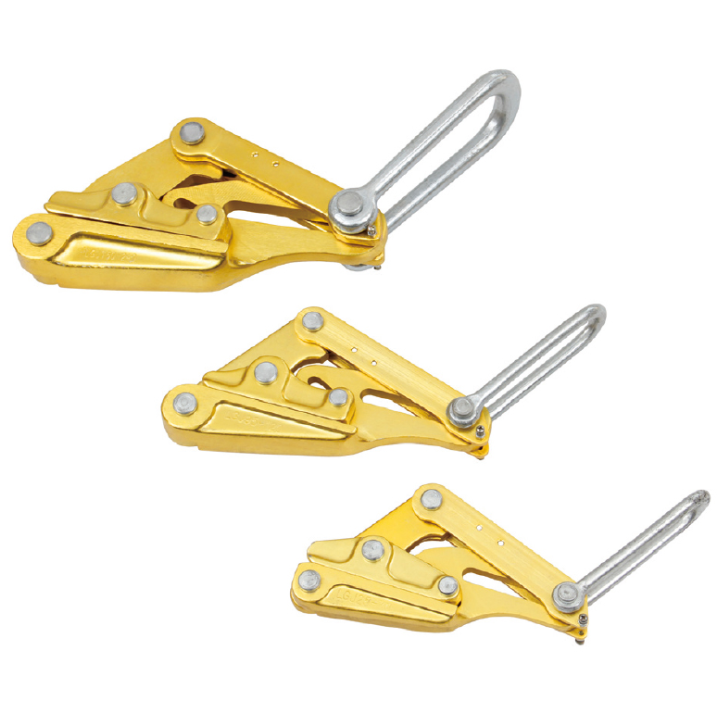
The best pulling technique in the industry cannot produce a successful cable installation if the lubricant in the bucket does not deliver the film strength, temperature stability, and material compatibility that its data sheet promises. A pulling lubricant is a formulated product whose performance depends on the quality and consistency of its raw materials, the precision of its manufacturing process, and the integrity of its supply chain. A polymer-based lubricant relies on high-molecular-weight chains that provide the film strength necessary to keep the cable and conduit separated under the extreme contact pressures that occur at bends. If the polymer feedstock varies between production batches, the lubricant's performance will vary with it. The preservative system that prevents microbial growth in a water-based lubricant must remain effective throughout the product's shelf life, or a bucket that sits in a warehouse for six months will arrive on site spoiled and unusable. Hydrarite understands these quality dependencies, supplying cable pulling lubricants and tools manufactured under controlled conditions with consistent formulation integrity. For an electrical contractor who quotes jobs based on predictable labor hours and material costs, the reliability of the pulling lubricant translates directly into the reliability of the bid. A lubricant that performs consistently allows the crew to complete the pull on schedule, without the delays, damage claims, and rework that follow a lubricant failure. The lubricant is a small fraction of the total project cost, but its performance, or its failure, can determine the outcome of the entire cable installation. A contractor who has experienced a seized pull, a damaged cable, and the cost of replacing a five-hundred-foot run of feeder cable does not gamble on unverified lubricant again. They choose a product from a manufacturer that stands behind its performance, and they use it according to a disciplined procedure that respects the physics of the pull.
Table of Contents
- The Physics of Pulling and the Role of the Friction Coefficient
- Conduit Preparation and the Foundation for Effective Lubrication
- Selecting the Right Lubricant for the Cable and Conduit Combination
- Application Technique and the Strategy of Even Distribution
- Monitoring the Pull and Recognizing When Lubrication Is Failing
- The Supply Chain Behind Reliable Pulling Lubricants and Tools