
 EN
EN
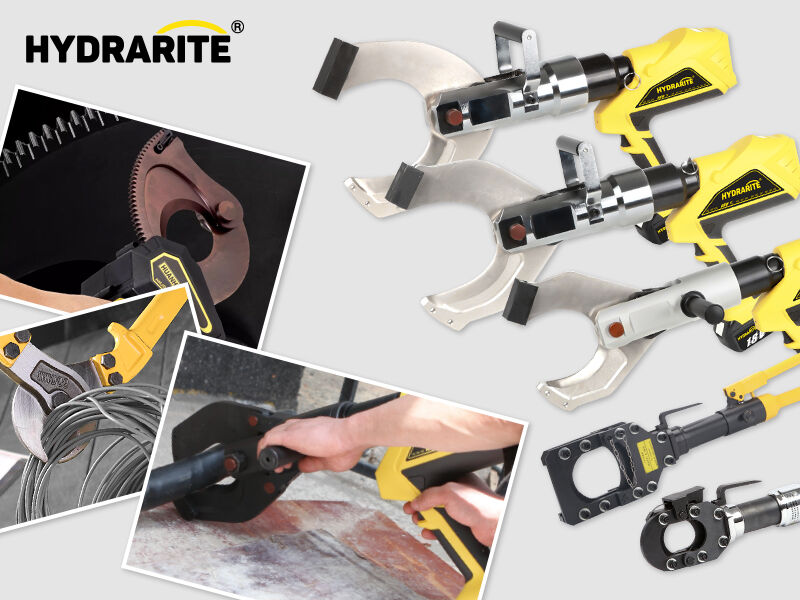
Core PPE Required When Operating Cable Cutters
Operators must prioritize essential Personal Protective Equipment (PPE) to mitigate severe injury risks inherent to cable cutting tasks. Three critical protective layers form the foundation of worksite safety protocols.
Cut-Resistant Gloves Rated for High-Force Cable Cutting
ANSI/ISEA 105 Cut Level 4+ gloves are non-negotiable when handling cable cutters. High-tension cables can snap during cutting, generating whiplash forces exceeding 300 lbs. Reinforced palms and knuckle guards prevent lacerations from sharp strands or blade slippage—especially critical when cutting hardened copper or aluminum conductors.
Impact-Resistant Eye Protection Against Metal Shrapnel and Insulation Dust
Flying debris causes 90% of workshop eye injuries (OSHA). ANSI Z87.1-2020 certified goggles with side shields protect against metal fragments from sheared cable armor, fiberglass insulation dust, and hydraulic fluid leaks during pressurization failures. Polycarbonate lenses provide distortion-free vision while resisting fragmentation.
Secondary Protection: Steel-Toed Footwear and Flame-Resistant Long-Sleeve Apparel
ASTM F2413 rated boots are essential gear for anyone working around heavy equipment, especially when there's a risk of getting crushed by those cable cutters that can weigh about 15 pounds each. Pair these with NFPA 2112 compliant flame resistant clothing for full protection. The right apparel makes all the difference when dealing with sparks flying during copper cable work, hot thermoplastic insulation splattering everywhere, and dangerous arc flashes near active electrical systems. Don't forget about taped seams and tight fitting cuffs either. These small details actually matter a lot because they stop clothes from catching on moving parts of tools which could lead to serious accidents if ignored.
Cable Cutter–Specific Hazards and Corresponding Safety Measures
Blade Recoil, Pinch Points, and Hydraulic Failure in Manual and Battery-Powered Cable Cutters
Working with cable cutters brings certain dangers that require specific safety measures. One big problem is blade recoil, which happens when the cable snaps back after being cut. This can really hurt hands and wrists. To stay safe, workers should maintain proper foot positioning and look for cutters that have features designed to absorb some of that kickback force. Another common issue comes from pinch points wherever the handles come together or cables get squeezed during operation. Keeping hands clear of these areas and using lockout devices makes all the difference. According to recent data from BLS, around 23% of accidents involving cutting tools actually happen at these pinch points. When dealing with hydraulic systems, whether they're manually operated or powered by batteries, there's always the risk of something going wrong catastrophically. Explosive fluid leaks and sudden drops in pressure are serious concerns. The best defense? Check those hoses before starting work and invest in cutters equipped with backup safety valves. Industrial studies show that regular maintenance and pressure checks can cut down on failures by more than half compared to equipment that gets neglected between uses.
Matching PPE to Cable Type and Cutting Environment
Selecting Certified Gear for Armored (ACSR), Copper, and Fiber-Optic Cables
When working with various types of cables, the right personal protective equipment makes all the difference. Armored ACSR cables, those Aluminum Conductor Steel Reinforced ones, need special attention. Workers should wear gloves rated at least Level 3+ under ANSI/ISEA 138 standards to handle those sharp steel strands. Eye protection matters too since metal fragments can fly around during cuts. Copper presents different challenges altogether. The sparks generated when cutting copper require arc-rated face shields along with flame resistant sleeves to protect against heat exposure. For fiber optic installations, safety takes another turn. Silica dust becomes a concern here, so NIOSH approved respirators are essential. Plus, static dissipating shoes become necessary around delicate electronic equipment. Safety professionals know that matching gear to specific cable types isn't optional. Check if ASTM F2413 certified footwear works best for heavier ACSR jobs, and look for EN 388:2016 rated gloves when dealing with copper's rough edges. Most importantly, make sure everything meets OSHA regulations found in 29 CFR 1910.269 no matter where the job takes place.
Compliance Essentials: OSHA, ANSI, and Industry Standards for Cable Cutter Safety
Workplace safety just can't be ignored when working with cable cutters, especially given what OSHA requires. Companies that break these rules face serious financial consequences too - we're talking about average fines around $73k per violation according to Ponemon's 2023 report. For anyone dealing with high tension cables, OSHA regulation 29 CFR 1910.138 means wearing those Level 4 or better cut resistant gloves from ANSI/ISEA standards. And don't forget about eye protection certified under ANSI Z87.1 standards either since flying debris from insulation or metal fragments happens more often than people realize. When working with hydraulic or battery powered tools, NFPA 70E comes into play requiring arc rated clothing and special shoes if there are electrical risks nearby. Smart businesses implement regular checks on their personal protective equipment every three months looking for wear and tear. They also ensure all staff get proper training on lockout/tagout procedures as mandated by OSHA. Manufacturers need to verify their gear actually meets those ANSI cut and impact rating claims before putting them into service. The numbers tell a story too: over half of all OSHA citations relate directly to poor PPE management practices. Staying ahead of these requirements protects not just company wallets but worker safety across the board.
FAQ
What types of gloves are recommended for cable cutting?
ANSI/ISEA 105 Cut Level 4+ gloves are recommended for handling high-tension cables to prevent lacerations from sharp strands and blade slippage.
Why is eye protection important when cutting cables?
Eye protection is crucial to guard against flying debris from sheared cable armor and dust particles, which are common risks during cable cutting tasks.
What safety measures should be taken against blade recoil?
Proper foot positioning and using cutters designed with recoil-absorbing features can significantly reduce the risk of injury from blade recoil.
What PPE is necessary for cutting fiber optic cables?
NIOSH approved respirators and static dissipating shoes are essential when dealing with fiber optics to protect against silica dust and safeguard electronic equipment.