
 EN
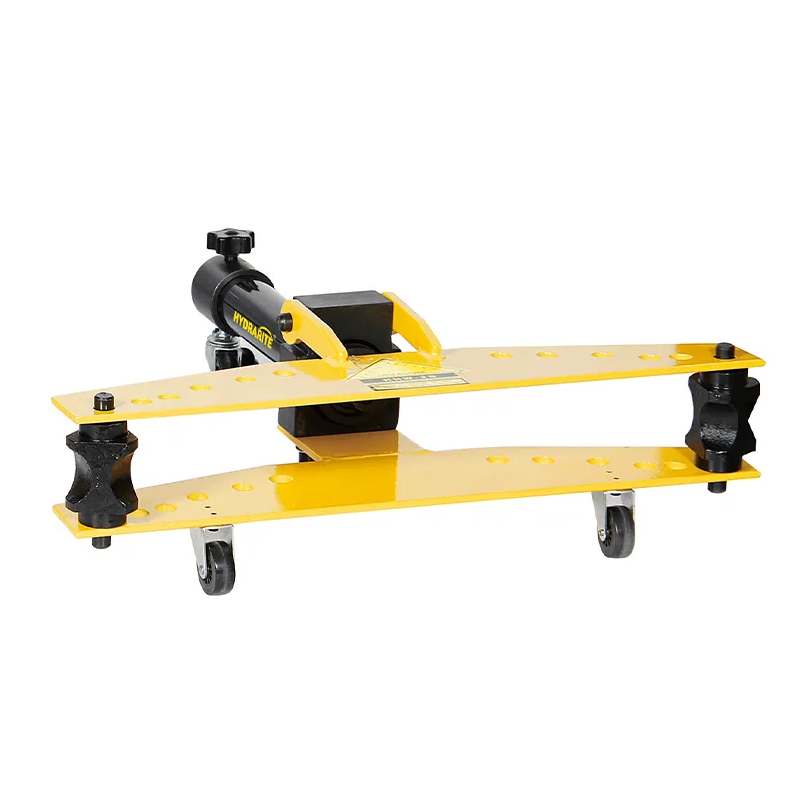
Real workshop cases show production losses from mismatched V die opening width
Frontline technicians operating hydraulic press bending machines in metal fabrication workshops frequently encounter quality failures triggered by poorly matched V die opening width and plate thickness. A medium sized metal processing factory focused on electrical cabinet parts once adopted random V die sizes without referring to plate thickness standards. Workers used narrow V dies to bend six millimeter thick stainless steel sheets for daily batch production. Within one week continuous operation, over twelve percent of finished panels presented surface cracking and deep indentation along bending lines. The narrow slot forced extreme localized stretching of metal materials while generating excessive hydraulic pressure that triggered machine overload protection every two hours. The workshop recorded extra expenditure including wasted stainless steel raw materials overtime labor for reworking damaged parts and delayed delivery compensation for long term electrical industry clients. After switching to V dies sized following standard thickness matching rules, the same production line cut defective rates to below one percent and eliminated frequent machine shutdown events. This real manufacturing experience proves that V die opening width matched precisely to material thickness serves as the basic guarantee of stable bending quality and continuous production efficiency.
Core mechanical principles linking material thickness and V die opening dimension
Professional metal forming mechanics explain the direct interaction between plate thickness and V die opening width during air bending processing. The core calculation formula for bending force clearly reflects that required hydraulic pressure rises sharply when V die width shrinks while plate thickness stays unchanged. Narrow V slots create short supporting spans for metal sheets, concentrating deformation stress on tiny bending zones and causing outer surface tensile cracking for thick hard alloys. Excessively wide V dies extend the support distance and form oversized internal bending radii that enlarge material springback and fail to meet strict dimensional tolerance demands of precision parts. The eight times thickness reference standard widely adopted across the sheet metal industry delivers balanced forming performance for ordinary mild steel. For three millimeter mild steel sheets, the recommended V die opening width sits around twenty four millimeters to maintain uniform pressure distribution and smooth bending surfaces without obvious indentation. Every thickness related V die choice directly controls three key production indicators including bending tonnage internal radius and finished part surface quality.
Industry standard specifications issued by mechanical engineering associations set authoritative selection benchmarks
International metal forming engineering associations release unified official standards to regulate V die opening width selection based on varying plate thickness and material types, offering credible authoritative references for global metal processing manufacturers. Senior mold engineering experts from industry technical committees publish detailed correction coefficients for different metal materials to adjust the base eight times thickness rule. Stainless steel with high tensile strength requires V die width increased by twenty percent compared to mild steel of identical thickness to avoid sheet cracking during bending. Soft aluminum plates can adopt V dies sized at six times material thickness thanks to superior ductility and lower forming force demand. Formal mechanical processing technical manuals also mark clear limit values for minimum flange length corresponding to each V die opening size, preventing short edge sliding into V slots during pressing. All these standardized specifications undergo repeated third party testing verification and form objective evaluation criteria that help factory technicians avoid subjective random mold selection mistakes.
Step by step standardized selection workflow combining thickness material and processing requirements
A complete reliable V die selection process integrates material thickness measurement material property judgment and finished part drawing requirements to eliminate blind mold matching errors. The first step involves accurate thickness measurement of raw metal plates using digital calipers to obtain precise base data for preliminary V die width calculation. Technicians apply the eight times thickness benchmark to get initial slot size then adjust the value according to metal type by adding or subtracting corresponding correction coefficients. Next staff check engineering drawings to confirm target internal bending radius and minimum flange length to rule out overly narrow or oversized V die options that cannot meet geometric standards. The final critical step carries out trial bending with identical raw material samples before mass production. Operators measure bending angle springback surface indentation and sheet integrity after trial pressing to fine tune V die width if visible defects appear. This multi link standardized workflow guarantees selected V dies fully match material thickness and satisfy all dimensional and surface quality requirements of finished components.
Long term operational cost gains from scientifically matched V die and plate thickness combinations
Enterprises that strictly follow thickness based V die matching standards achieve continuous reduction of comprehensive production costs across long term batch processing cycles. Reasonable V die width maintains balanced hydraulic load on press bending machines and slows wear on core hydraulic cylinders and mold edges, extending replacement cycles of high precision molds by more than sixty percent. Uniform stress distribution avoids mass raw material waste caused by cracked and indented defective workpieces, cutting monthly material loss by large margins for factories running daily two shift production. Stable bending quality removes repeated rework procedures and reduces overtime labor expenses while consistent finished product dimensions help maintain fixed delivery schedules and stable cooperative relationships with downstream equipment manufacturers. Compared with workshops ignoring thickness matching rules, standardized V die selection generates obvious cumulative cost savings within one year and lifts overall workshop profit margins without extra equipment investment.
Complete mold manufacturing and customized service capacity delivers matched V die supporting solutions
Stable supply of specification accurate V dies tailored to diverse material thickness ranges relies on mature integrated manufacturing and independent technical research capacity. Hydrarite runs a thirty thousand square meter digital production workshop equipped with over two hundred CNC lathes and holds more than seventy authorized national patents covering hydraulic processing equipment and matched bending mold technology. As a national high tech enterprise with nearly thirty years of hydraulic tool and metal processing accessory production experience, the brand builds dedicated mold testing laboratories to simulate multi scenario bending conditions and verify V die matching performance for steel aluminum and alloy plates of different thickness grades. All finished V dies pass full cycle load testing and carry formal CE quality certification before delivery to over ninety global countries and regions. Seventy percent of the brand’s annual orders come from world top five hundred manufacturing groups that rely on customized mold development and full set hydraulic press bending supporting solutions. The global one stop service system provides targeted V die parameter consulting rapid spare mold delivery and on site technical guidance for metal fabrication clients, supporting long term stable precision bending production matched to all material thickness specifications.
Table of Contents
- Real workshop cases show production losses from mismatched V die opening width
- Core mechanical principles linking material thickness and V die opening dimension
- Industry standard specifications issued by mechanical engineering associations set authoritative selection benchmarks
- Step by step standardized selection workflow combining thickness material and processing requirements
- Long term operational cost gains from scientifically matched V die and plate thickness combinations
- Complete mold manufacturing and customized service capacity delivers matched V die supporting solutions