Mastering Steel Pipe Bending: Key Considerations for Industrial Fabrication Success
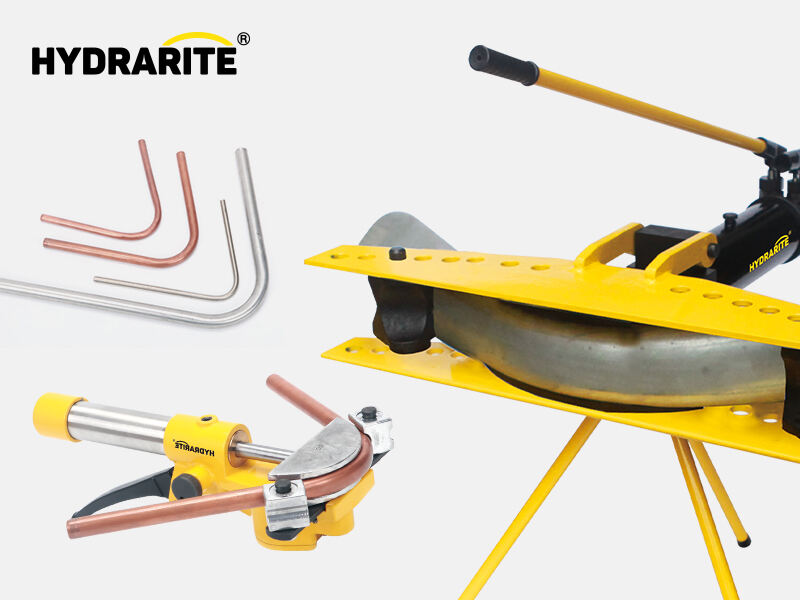
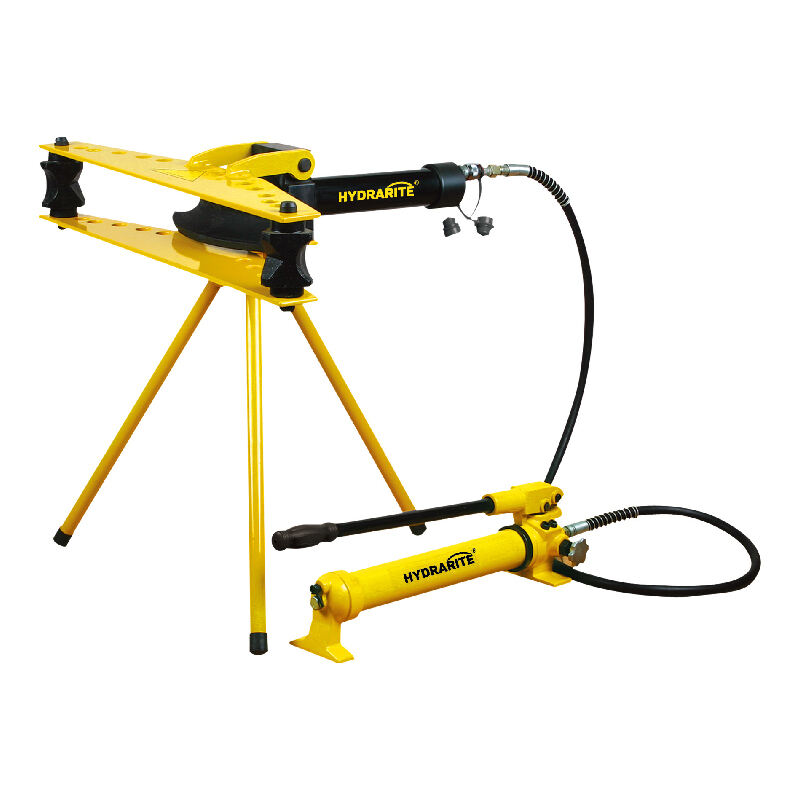
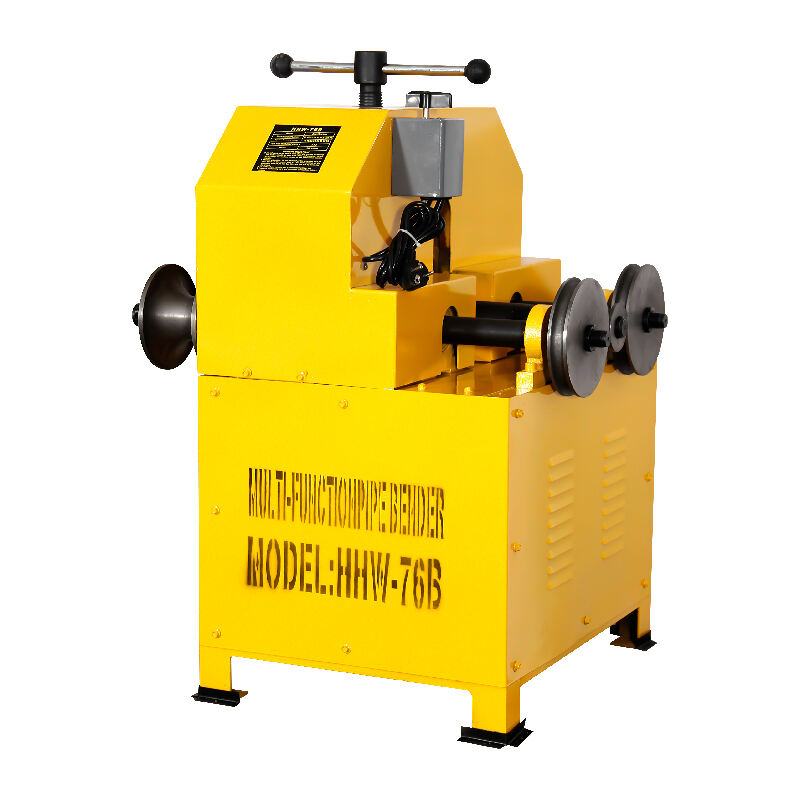
The fabrication and installation of steel piping systems form the backbone of modern industry, from conveying critical process fluids to forming structural supports. The bending operation is a pivotal point where precision, efficiency, and material integrity converge. Selecting the appropriate Pipe Benders for Steel Pipes is a technical decision with far-reaching implications for project cost, safety, and longevity. At HYDRARITE, drawing on our decades of hydraulic engineering, we outline the critical factors that define excellence in steel pipe bending equipment.
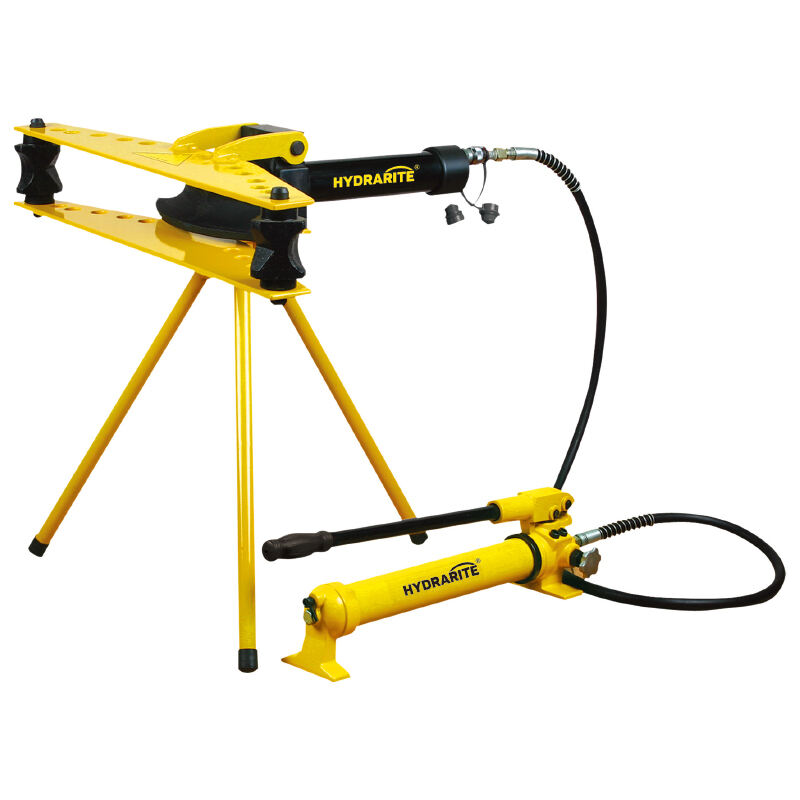
The foremost consideration is Material Compatibility and Bending Force Calculation. Steel's high yield strength necessitates precise calculation of the required bending moment. An underpowered bender will fail to complete the bend or cause excessive springback, while an overpowered or poorly controlled one can induce wall thinning, ovality, or even cracking. Professional-grade benders must be capable of applying immense, yet meticulously regulated, force. HYDRARITE machines address this through multi-stage hydraulic systems that allow operators to tailor the force application curve to the specific steel grade (e.g., A106, A53) and schedule. This ensures the material is formed within its plastic deformation range without being overstressed, preserving its pressure-bearing capacity and corrosion resistance—a non-negotiable requirement in sectors like petrochemicals and power generation.
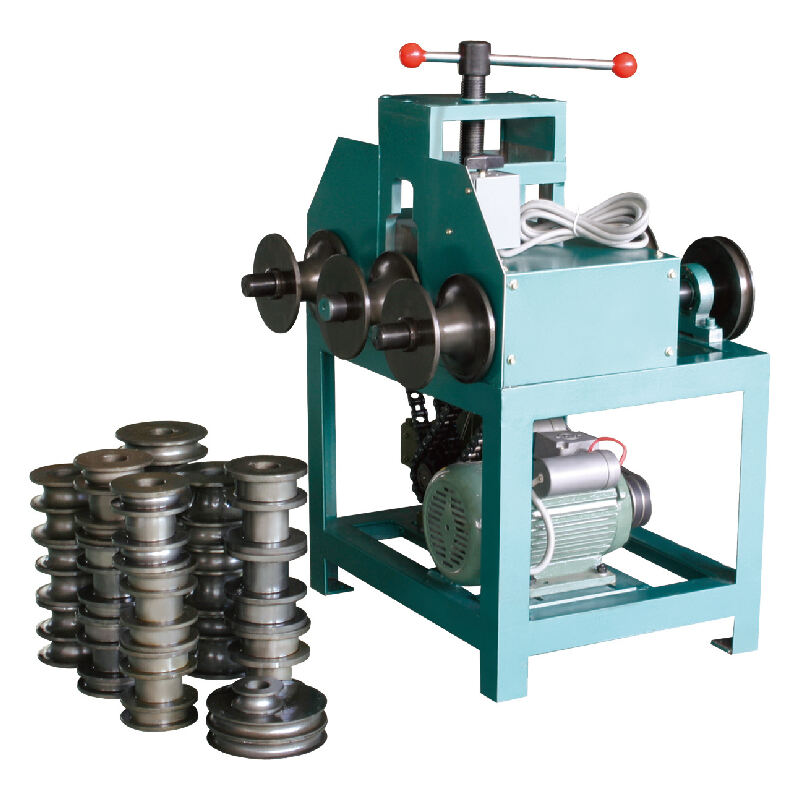
Next is Tooling Precision and Die Design. The interface between the machine and the pipe is the die set. For steel pipe, the die's radius, groove profile, and material hardness are paramount. Incorrect or worn tooling can cause surface scoring, wrinkling on the inner radius, or flattening. Our approach, supported by 17 design patents, involves manufacturing dies from high-grade alloy steels, heat-treated for maximum durability and a perfect match to standard pipe OD and wall thickness. Precision-machined dies ensure uniform support along the pipe's circumference during the bend, minimizing deformation and producing a consistent, smooth radius that facilitates subsequent welding or fitting alignment. The right tooling is essential for achieving bends that are not only structurally sound but also aesthetically clean.
Finally, Job Site Adaptability and Operational Safety define practical value. Industrial projects are dynamic. A bender must be adaptable—capable of performing in a fixed fabrication shop or being reliably deployed on a congested, remote construction site. This demands a design that balances power with portability (where required), ruggedness to resist job site elements, and intuitive controls. HYDRARITE engineers equipment with features like quick-change die systems to reduce non-productive time, robust frames with integrated lifting points, and clear, ergonomic control valves. Operator safety is engineered into every aspect, from secure clamping mechanisms that prevent pipe slippage under high load to system pressure relief safeguards. Efficient, safe operation reduces labor costs, minimizes rework, and protects your most valuable asset: your team.
In conclusion, investing in a Pipe Bender for Steel Pipes is a strategic decision that impacts your operational capability and project quality. It requires a partner with a deep understanding of material science, hydraulic engineering, and real-world fabrication challenges. HYDRARITE combines patented force control technology, globally-proven durability, and full-process expertise to deliver benders that transform steel pipe bending from a potential bottleneck into a reliable, high-quality pillar of your production workflow.

 EN
EN