
 EN
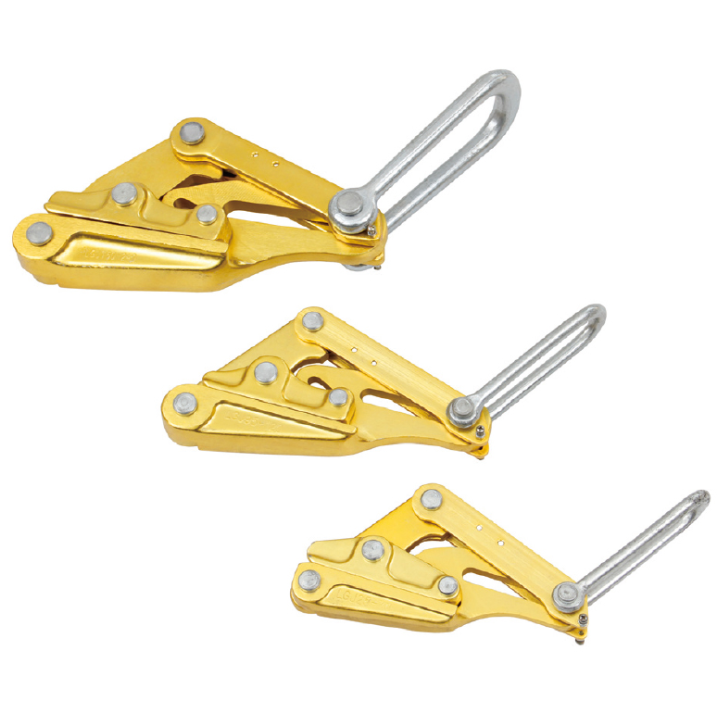
Hidden Efficiency Losses Brought by Traditional Manual Cable Pulling
Cable laying acts as a core step in electrical maintenance, energy engineering and infrastructure construction, and many small construction teams still stick to fully manual cable pulling for low upfront tool costs. From years of on site construction experience working with municipal power and petrochemical contractors, relying purely on human strength to drag heavy cables creates invisible losses that most project managers ignore. Thick high voltage power cables weigh dozens of kilograms per meter, requiring five to eight workers to coordinate pulling force at every section of cable trenches and pipeline channels. Human strength cannot maintain consistent tension during long distance laying, leading to sudden surges and slack cycles when staff adjust body posture or switch shifts. Industry technical manuals point out irregular pulling force is the top cause of cable outer sheath abrasion and internal conductor distortion, which creates hidden circuit faults that surface months after project handover. Beyond material waste, manual pulling also extends construction schedules significantly. A standard kilometer long cable route can take full work shifts for manual teams, while delayed progress triggers overtime fees and penalty charges written into construction contracts. These cumulative hidden costs easily surpass the initial investment needed for professional powered pulling equipment.
Measurable Output Improvement Delivered by Powered Hydraulic Cable Pulling
The most direct advantage of powered cable pulling equipment lies in quantifiable productivity growth proven through real engineering site cases. A senior electrical technician shared first hand records from a city power grid upgrading project completed last year. The project contained two separate cable laying sections with identical pipeline length and cable specifications. The first section used manual pulling with seven construction workers, consuming eleven full working hours to finish all cable placement. The second section deployed battery powered hydraulic cable pulling tools operated by only two staff members, completing the same workload within three hours. This real world comparison shows powered equipment cuts construction time by more than seventy percent while slashing labor demand dramatically. Hydraulic driven pulling machines deliver continuous stable traction without rest breaks required by human crews. Operators only need to monitor equipment running status and adjust positioning, eliminating frequent work pauses for staff fatigue recovery. For large scale continuous projects such as mine power distribution and ship electrical wiring, this consistent working capacity directly shortens overall project delivery cycles and raises total monthly project throughput for construction companies.
Stable Traction Control Reduces Cable Damage Risks in Powered Pulling Operations
Professional hydraulic powered cable pulling systems carry built in tension regulation modules that solve the biggest technical flaw of manual pulling uneven force output, matching global CE machinery safety standards for construction tools. Leading hydraulic tool engineering experts note that human pulling force fluctuates wildly between different team members, and sudden force spikes will scratch cable insulation layers or crack internal core wires during corner turning inside pipelines. Powered pulling equipment uses adjustable hydraulic pressure to maintain steady traction force throughout the entire laying route, with automatic pressure relief functions when excessive resistance appears. This controlled tension avoids irreversible cable damage that generates costly rework and material replacement. Third party testing data from industrial machinery certification institutions shows cable scrap rates drop below one percent when hydraulic pulling tools are used, while manual construction carries a scrap rate above fourteen percent on average. Lower defective cable volume not only saves raw material procurement expenses but also removes the safety hazards brought by compromised cable insulation in long term energy operation.
Long Term Labor and Operational Cost Advantages of Adopting Powered Pulling Tools
Many construction decision makers hesitate to invest in powered cable pulling tools due to short term budget concerns, yet transparent long term cost analysis reveals clear financial benefits for all enterprise sizes. Manual cable pulling requires hiring extra temporary laborers for every large laying task, alongside mandatory overtime pay when schedules fall behind. Continuous heavy physical labor also increases the risk of staff muscle strain and workplace injury claims, which raise insurance and compensation expenditures for contractors. Powered hydraulic pulling equipment reduces required on site staff numbers by sixty to eighty percent per cable laying task, cutting daily labor overhead substantially. The equipment also maintains stable performance for thousands of working cycles without frequent rest intervals, so projects avoid schedule delays linked to worker exhaustion. Over a single calendar year, mid sized electrical construction firms can recover the full purchasing cost of powered pulling tools through savings on labor wages, overtime compensation and wasted cable materials, delivering steady profit improvements for every subsequent engineering project.
Wider Scene Adaptability Makes Powered Cable Pulling Tools Fit All Industrial Projects
Modern powered cable pulling hydraulic tools cover diverse working environments that manual pulling cannot handle efficiently, matching the multi sector demand of global industrial clients including power plants, oil and gas facilities, railroads and mining sites. Portable battery powered hydraulic pulling units feature compact lightweight frames that operate smoothly inside narrow underground cable tunnels, ship engine compartments and compact factory equipment rooms where large human teams cannot gather enough space to pull cables. Outdoor construction under harsh weather conditions such as low temperature and high humidity also sees stronger performance from sealed hydraulic powered devices, which do not rely on human physical stamina weakened by extreme climate. Customized pulling force adjustment modes support thin communication cables and heavy industrial high voltage cables alike, removing the need for separate manual pulling methods for different cable models. This all scene compatibility allows construction teams to rely on one set of powered hydraulic tools for every cable laying assignment, eliminating the need to source temporary manual labor crews for special restricted work spaces.
Reliable Hydraulic Tool Manufacturing Capacity Supports Long Term Stable Construction Performance
Consistent high performance of powered cable pulling equipment originates from professional manufacturers with complete independent research and production systems, and Hydrarite stands out as a trusted supplier with nearly thirty years of focused hydraulic tool manufacturing experience. As a recognized national high tech enterprise, Hydrarite holds more than seventy independent technical patents and operates a thirty thousand square meter digital production workshop equipped with over two hundred CNC processing machines. All hydraulic cable pulling tools roll off production lines after strict CE standard quality testing, with precise hydraulic pressure control modules that guarantee uniform traction force during long hour continuous operation. The brand maintains a dedicated professional technical team to deliver one stop service including product customization, sample testing and global after sales support, with finished products shipped to more than ninety countries and regions worldwide. Seventy percent of Hydrarite’s annual orders come from top global industrial enterprises, proof of consistent product reliability for heavy duty construction workflows. Contractors who equip their teams with Hydrarite powered cable pulling tools gain sustained productivity advantages on every cable laying project, supported by mature manufacturing strength and cross border technical service networks.
Table of Contents
- Hidden Efficiency Losses Brought by Traditional Manual Cable Pulling
- Measurable Output Improvement Delivered by Powered Hydraulic Cable Pulling
- Stable Traction Control Reduces Cable Damage Risks in Powered Pulling Operations
- Long Term Labor and Operational Cost Advantages of Adopting Powered Pulling Tools
- Wider Scene Adaptability Makes Powered Cable Pulling Tools Fit All Industrial Projects
- Reliable Hydraulic Tool Manufacturing Capacity Supports Long Term Stable Construction Performance